

[ad_1]
At the newly-launched A&M MoCap Lab inside Hyderabad’sAnnapurna Studios, positioned as India’s largest and most advanced motion capture facility, an artiste wearing a specialised suit equipped with markers, demonstrates stunt moves. His movements, recorded using high-definition motion tracking cameras, are transferred to 3D computer generated characters.
The data helps filmmakers analyse precision, speed of movement, camera angles and depth required for a live action film shoot. The data, which includes facial capture, also helps animation filmmakers and the gaming sector to deliver characters that mimic life-like expressions.
Motion capture, often referred to as MoCap, facilities are not new to India. Facilities in Bengaluru and Mumbai are often used by the animation and gaming sector. But imagine MoCap as part of pre-production work for a larger-than-life film. Say, a stunt sequence involving 20 to 30 actors or even a war sequence. It involves a larger floorspace, several cameras and supporting software.
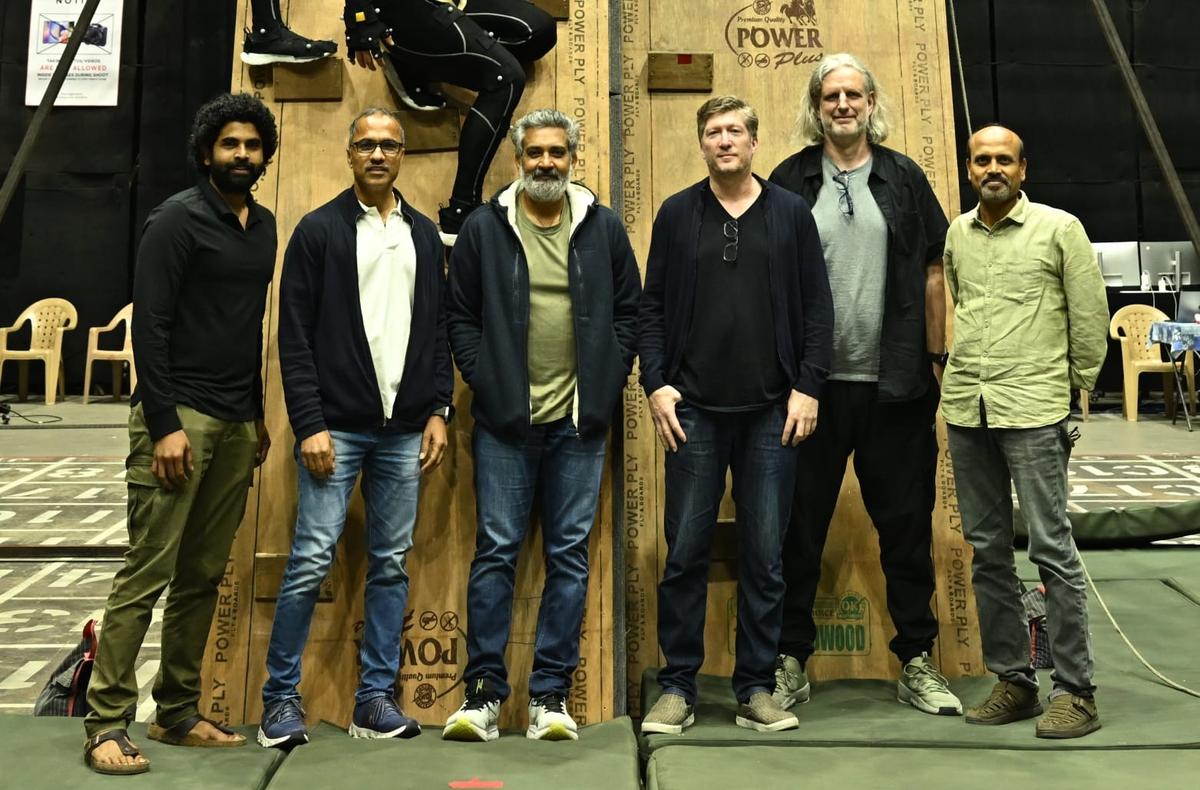
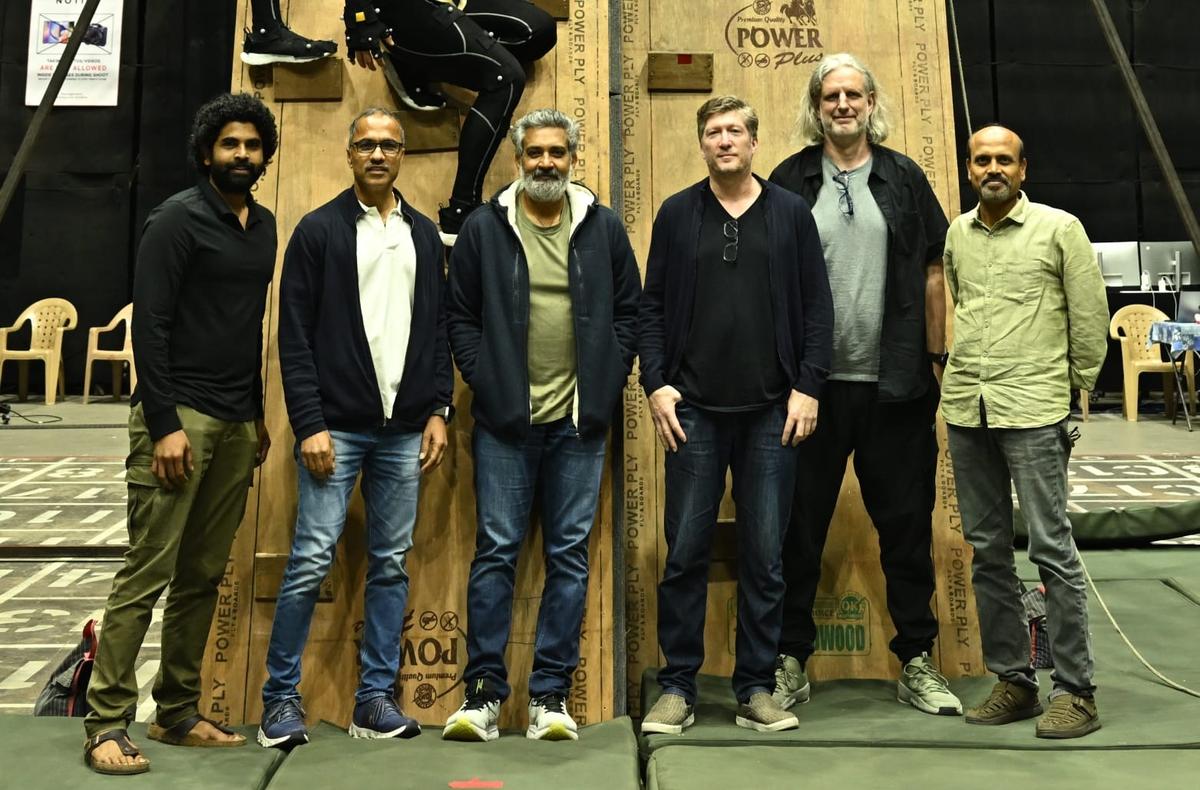
SS Karthikeya, CV Rao, SS Rajamouli, Brett Ineson, Ben Murray and VFX supervisor Srinivas Mohan
| Photo Credit:
Special Arrangement
For his upcoming Telugu film Varanasi, starring Mahesh Babu and Priyanka Chopra Jonas, director SS Rajamouli used MoCap to plan stunt sequences as part of pre-visualisation work.

The A&M MoCap Lab, though formally unveiled by Rajamouli in late February 2026, has been functional since mid-2025. The lab is a partnership between actor-producer Nagarjuna Akkineni’s Annapurna Studios, Baahubaliproducer Shobu Yarlagadda’s Mihira Visual Labs and Animatrik Film Design that provided technology solutions to Hollywood films such as Avengers: EndGame and Spider-Man: No Way Home.
The 60ft x 40ft x 30ft space is equipped with more than 60 Vicon Valkyrie (VK26) high-fidelity motion tracking cameras, Vicon Live for real-time data streaming, Vicon Post for advanced post-processing, and Unreal Engine live preview that enables interaction between performers and digital environments. The setup includes stereo head-mounted camera units that aid high-resolution facial performance capture.
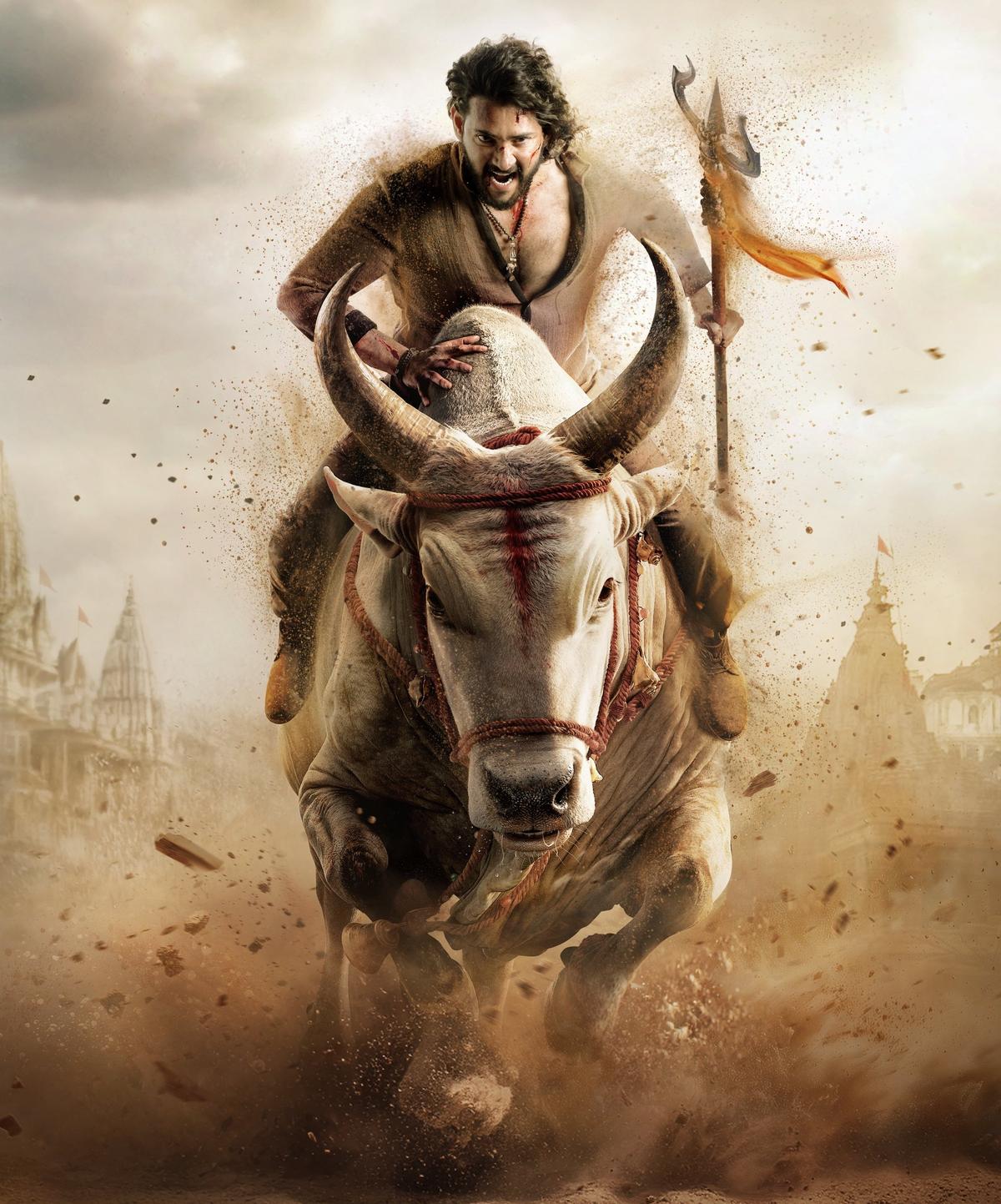
Mahesh Babu in Rajamouli’s ‘Varanasi’
| Photo Credit:
Special Arrangement
Shobu recalls travelling with Rajamouli to Bengaluru a couple of years ago for a test project. While filming Baahubali – The Conclusion, they flew an artist to Los Angeles for MoCap work as part of the pre-visualisation. Since then, the two hoped for such a facility closer home.
Applications of MoCap technology
For the unversed, pre-visualisation is a part of pre-production work before a film goes on floors. Earlier, hand-drawn images were used to create a storyboard, with the director, action choreographer and cinematographer weighing in on placement and movement of people and camera equipment. Such prep work helped save money, time and effort on set. Manual storyboarding has long since been replaced by computerised ones.
“We wanted a MoCap space with ample height, depth and scale in India, in Hyderabad,” says Shobu. He and Rajamouli had met Brett Ineson, president and CTO of Animatrik Film Design, to understand the feasibility of introducing such a facility in India.

Around the same time, CV Rao was keen to explore newer technology that could be introduced at the Hyderabad studio. Shobu pitched the idea during a casual conversation, after which Rao travelled to LA to meet Brett and understand the technology being used for large-scale motion capture in Hollywood films.
Though Rao does not disclose the investment, he states, “It was going to be a one-time investment and given the vibrant film industries and gaming sector in India, Annapurna Studios decided to go ahead.” Shobu’s Mihira Visual Labs, launched around two years ago to work on animation and visual effects for the animation film Baahubali – The Eternal War, partnered on the ambitious project. The facility was built in summer 2025 and kept under wraps, as per Rajamouli’s request.
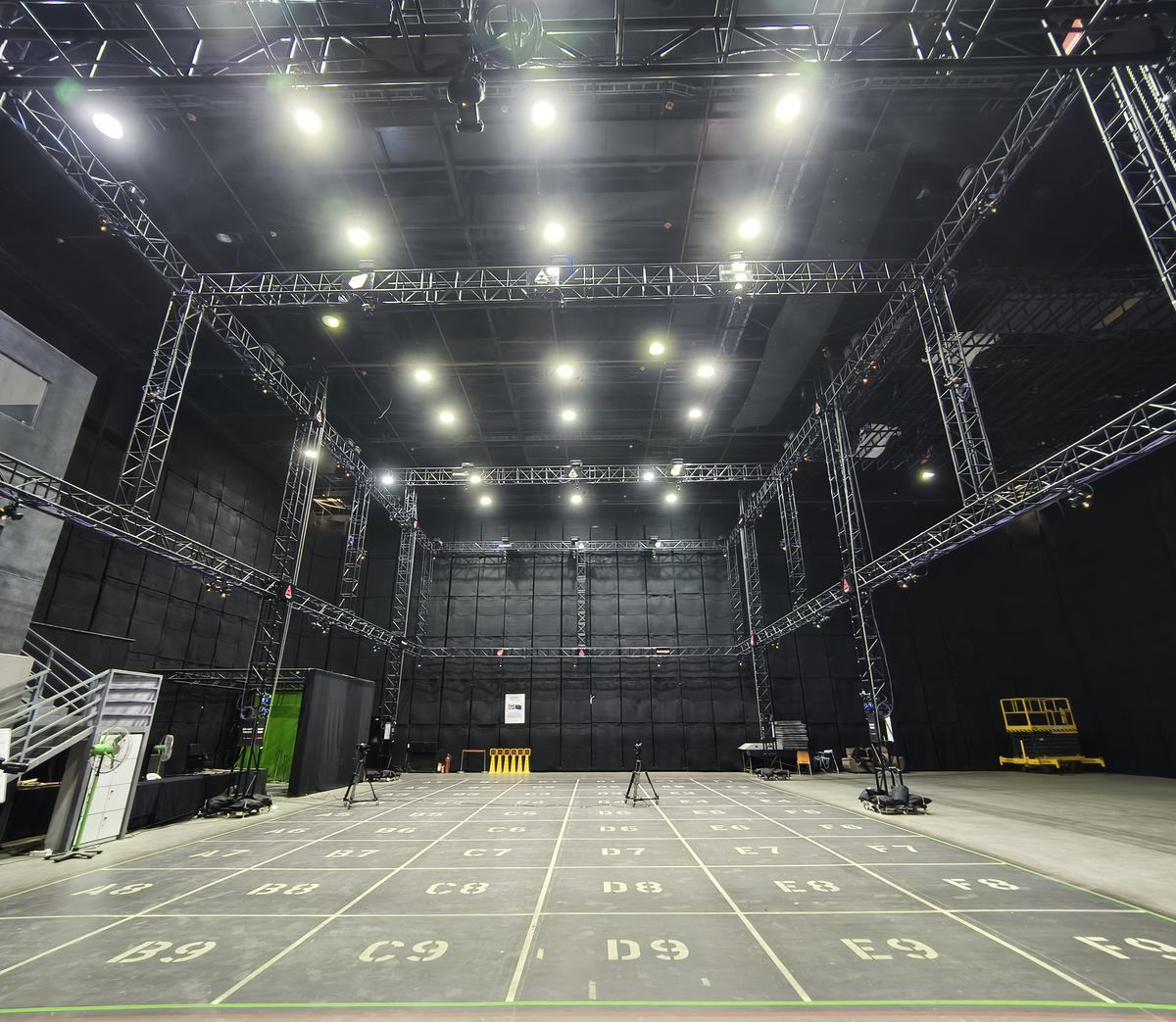
A view of the A&M MoCap lab
| Photo Credit:
Special Arrangement
In hindsight, Shobu agrees with Rajamouli’s statement during the launch of the lab that had such a MoCap facility been available while making Baahubali, particularly the war sequences, it would have helped speed up the pre-visualisation process and filming.

Tech leaps since ‘Kochadaiyaan’
In the Indian context, moviebuffs may recall the country’s first photorealistic motion capture film — Soundarya Rajinikanth’s Kochadaiyaan (2014). “The film was ahead of its time but the technology was nascent. It was a great experiment. Today such a film can be done with ease,” says Shobu.
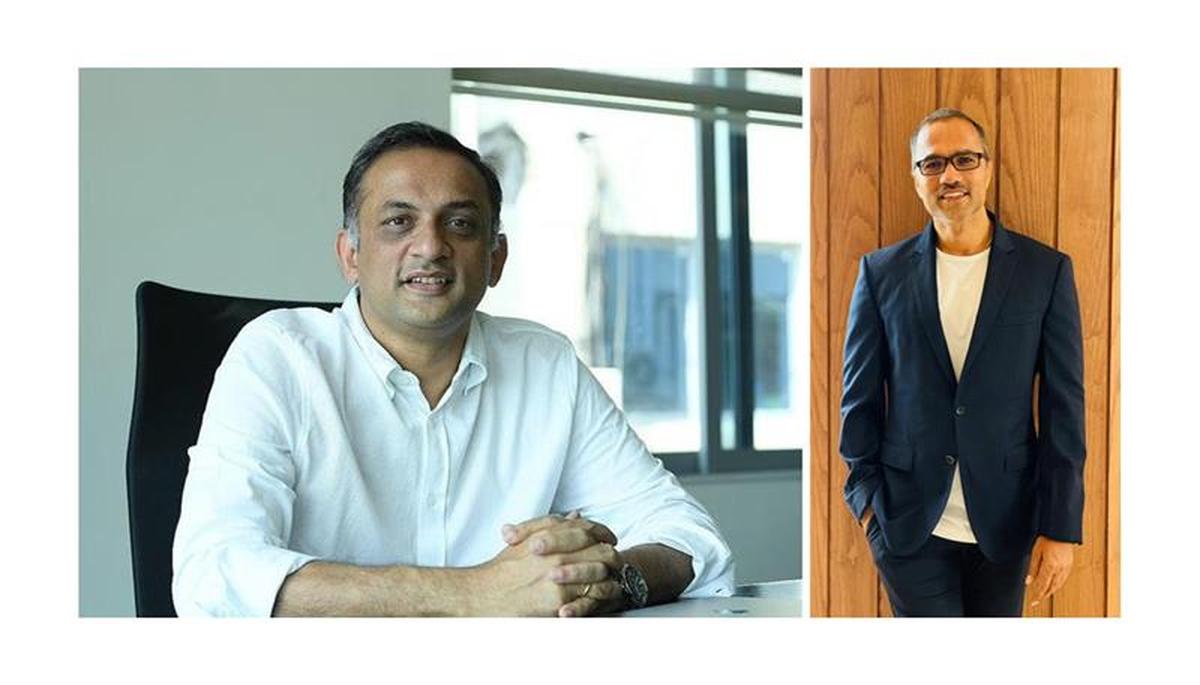
Shobu Yarlagadda; CV Rao
| Photo Credit:
Special Arrangement
Internationally, director Steven Spielberg’sThe Adventures of Tintin (2011) was among the first groundbreaking motion capture feature films. Shobu cites Love, Death & Robots (Netflix series) and Secret Level (Amazon Prime) as recent examples to showcase the possibilities of MoCap.
Closer home in Telugu and other film industries in India, Rao and Shobu state that there is curiosity about exploring the technology for live action and animation films. “The success of Mahavatar Narasimha has shown the scope for Indian animation films. MoCap will aid such filmmakers,” says Shobu, and adds that director Ishan Shukla, who is helming Baahubali – The Eternal War, had used MoCap for some sequences of his previous indie animation film Schirkoa: In Lies We Trust, with the help of a studio in France. He adds, “when cutting-edge technology is available here, more filmmakers are likely to explore it.”
Published – March 03, 2026 07:37 am IST
[ad_2]
Source link

 Total Users : 10235641
 Views Today : 1259