


[ad_1]
Every awards season returns with the same deceptive ritualism that promises the Academy of Motion Picture Arts and Sciences will once again identify the single film that best represents the year in cinema from across the world. The sheer imperiousness of the declaration still carries an aura of cultural authority even as the ceremony itself grows smaller in the rear-view mirror of popular culture. Television ratings for the Oscars have slid dramatically across the past decade, and the night now competes with a streaming ecosystem that produces more movies than any voting body (let alone one as incompetent as the Academy’s) could reasonably process. Yet, the top prize of Best Picture retains a peculiar gravitational pull. Nearly a century of winners have turned the category into a cinematic time capsule that reflects Hollywood’s anxieties, vanities, and occasional flashes of artistic bravery.

This year’s lineup captures that contradiction with unusual clarity once more. Record-smashing genre blockbusters sit beside austere political cinema from Brazil. A maximalist American satire about late capitalism shares ballot space with a portrait of grief in Shakespeare’s household. Even a Formula One spectacle managed to sneak its way in, a development that inevitably raised eyebrows among cinephiles still mourning the absence of several sharper, riskier films that somehow stalled just outside the Academy’s final ballot.
Also Read | Oscars 2026: When and where to watch LIVE on TV and streaming platforms
Some of these films will endure, others will fade into the footnotes of awards trivia, and the Academy will eventually crown one of them as the official story of 2025 cinema. Before that happens, here is a ranking of all ten nominees, from the most puzzling inclusion to the one that actually feels worthy of the crown.
10. F1
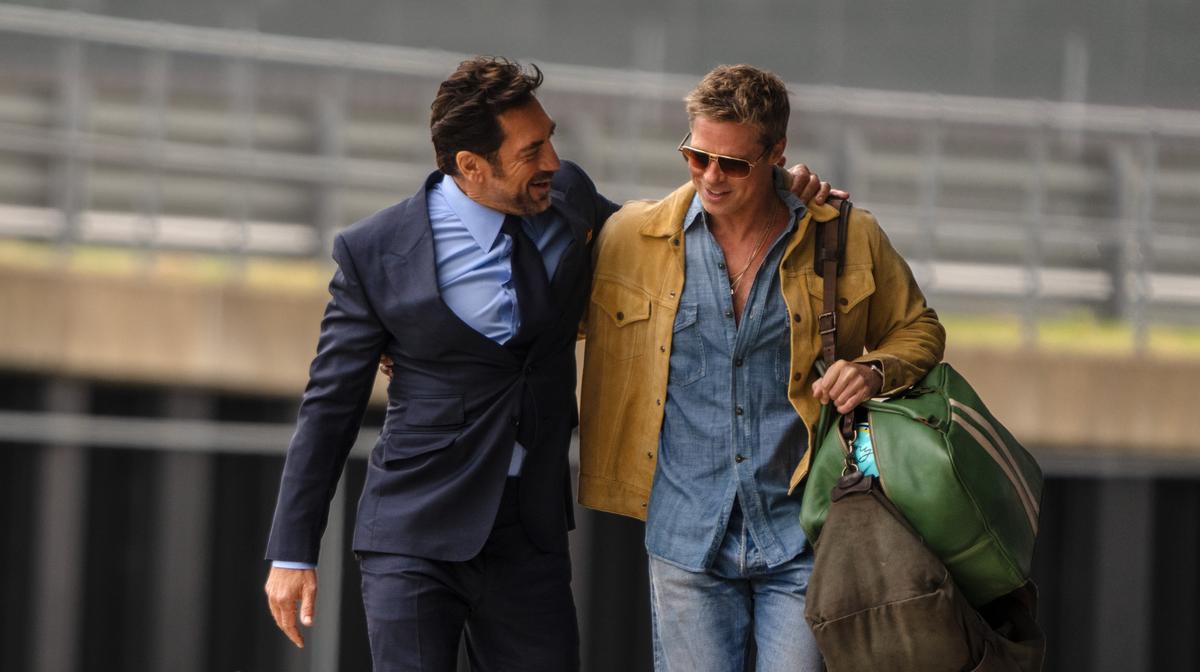
A still from ‘F1’
| Photo Credit:
Apple
Joseph Kosinski’s Formula One drama came brimming with the glossy confidence of a studio blockbuster that knew how to make an engine roar on an IMAX screen. Brad Pitt plays a veteran driver coaxed out of retirement to mentor a younger teammate inside a struggling racing team, while the production integrates fictional drivers into real Grand Prix weekends with a level of technical precision that occasionally resembles a live sports broadcast. The craft below the line remains impressive, particularly the kinetic editing and sound design that translate the physical terror of Formula One into something legible for the unfamiliar. Yet, the film’s dramatic spine carries the familiar stiffness of a prestige-aspiring sports narrative that keeps circling the same emotional checkpoints, entertaining us for two hours and then evaporating from the mind with the efficiency of a pit stop.

The film’s nomination became one of the season’s most frustrating inclusions, largely because its box-office muscle dwarfed most of the other nominees, earning over $630 million worldwide while critics treated it as a slick crowd-pleaser rather than serious awards material. Its presence in the lineup felt like the Academy deliberately reserving a seat for a mainstream blockbuster à la Kosinski’s previous Top Gun: Maverick, which gestures rather unseriously toward audience tastes even as the film itself rarely rises above professional competence.
9. Frankenstein
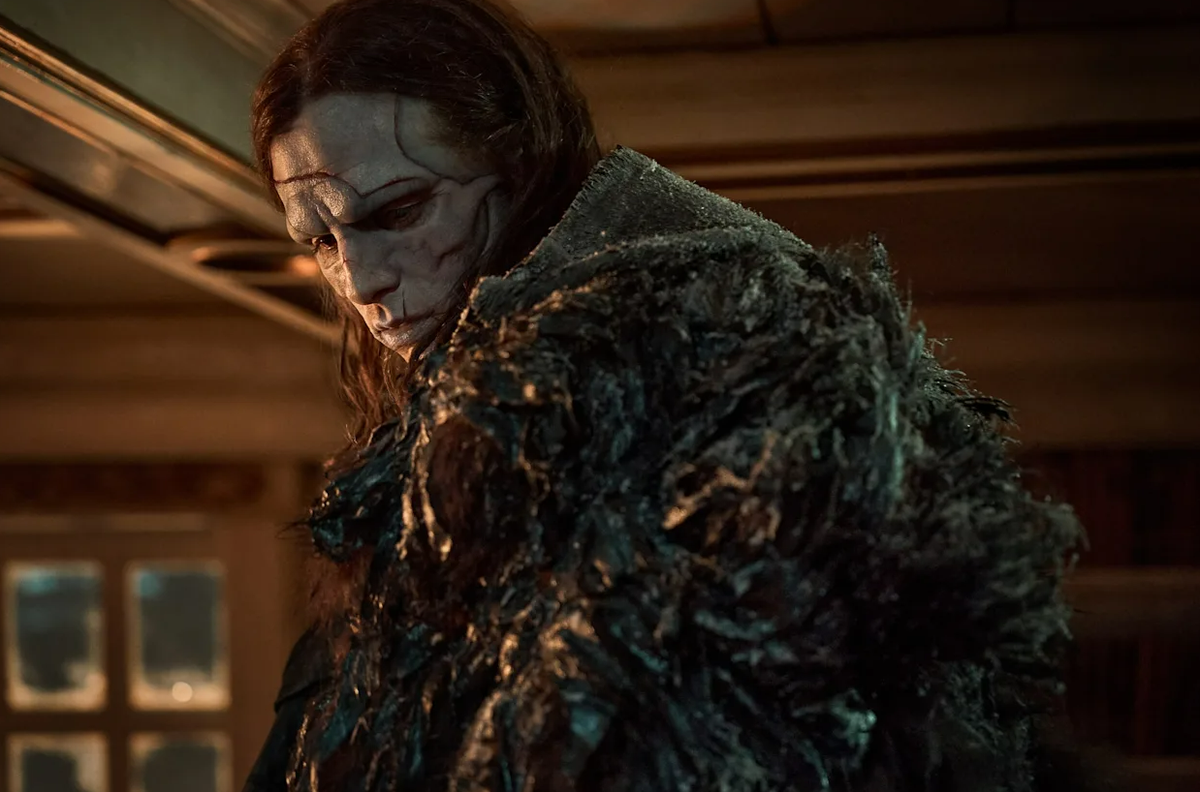
A still from ‘Frankenstein’
| Photo Credit:
Netflix
Guillermo del Toro’s adaptation of Mary Shelley’s gothic landmark boasted the signature handcrafted production design that has long defined the auteurs’ fascination with monsters as wounded romantic figures. Jacob Elordi plays the Creature with a mournful tenderness that pushes the character away from the horror tradition and toward a tragic love story about a being assembled from spare parts and then abandoned by the man who built him. The film stages its world inside cavernous laboratories and candlelit villages that look sculpted by artisans who spent months constructing every surface by hand. Del Toro’s affection for Shelley’s text produces a respectful interpretation that occasionally drifts into museum reverence, and the movie glides through its plot with stately assurance while the emotional temperature remains strangely cool, which leaves the experience feeling like little more than a lavish literary illustration.

The film entered the race with strong craft support across awards bodies, especially in production design and cinematography, which helped keep it visible throughout the season even as enthusiasm for the film itself cooled. Its nomination felt understandable as recognition for Guillermo del Toro’s craftsmanship and industry goodwill, though the final lineup suggests voters admired the artistry more than they loved the movie.
8. Train Dreams
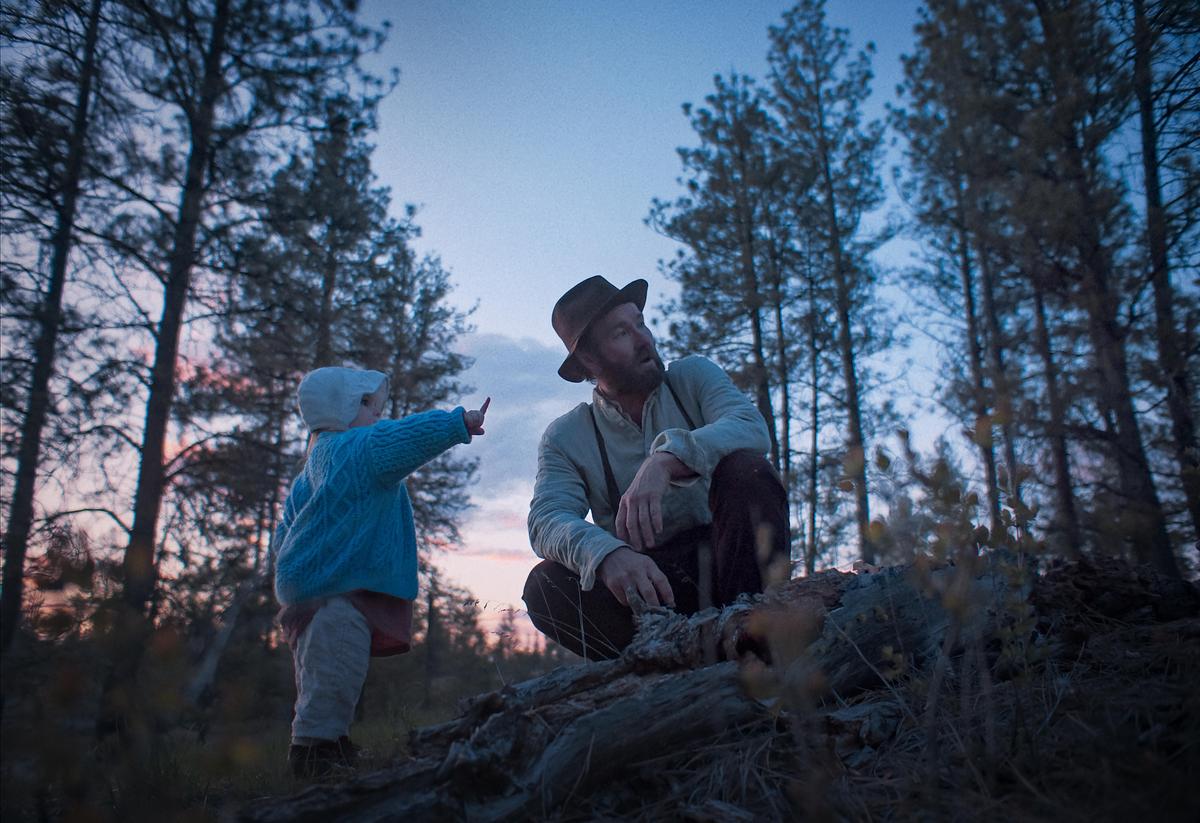
A still from ‘Train Dreams’
| Photo Credit:
Netflix
Clint Bentley adapts Denis Johnson’s novella into a meditative chronicle of American frontier life that follows a logger across decades of labour, loss, and fleeting moments of grace in the early twentieth century Pacific Northwest. Joel Edgerton plays the solitary worker with a gentle gravity that anchors the film’s drifting structure while Felicity Jones appears as the wife whose presence shapes the emotional architecture of his life. Cinematographer Adolpho Veloso photographs the forests and rivers of the region with patient reverence, and Bryce Dessner’s score floats through the soundtrack like a distant echo of memory. Bentley’s approach favours reflection over rupture, which produces beauty even as the drama maintains a careful distance from the raw historical forces it evokes.

Critics responded warmly to its literary tone and Joel Edgerton’s performance, though the film rarely dominated the conversation in a season crowded with louder contenders. Its inclusion here carries with it the faint aura of a critics’ favourite slipping into the ballot through admiration alone, rather than any passionate campaigning.
7. Bugonia
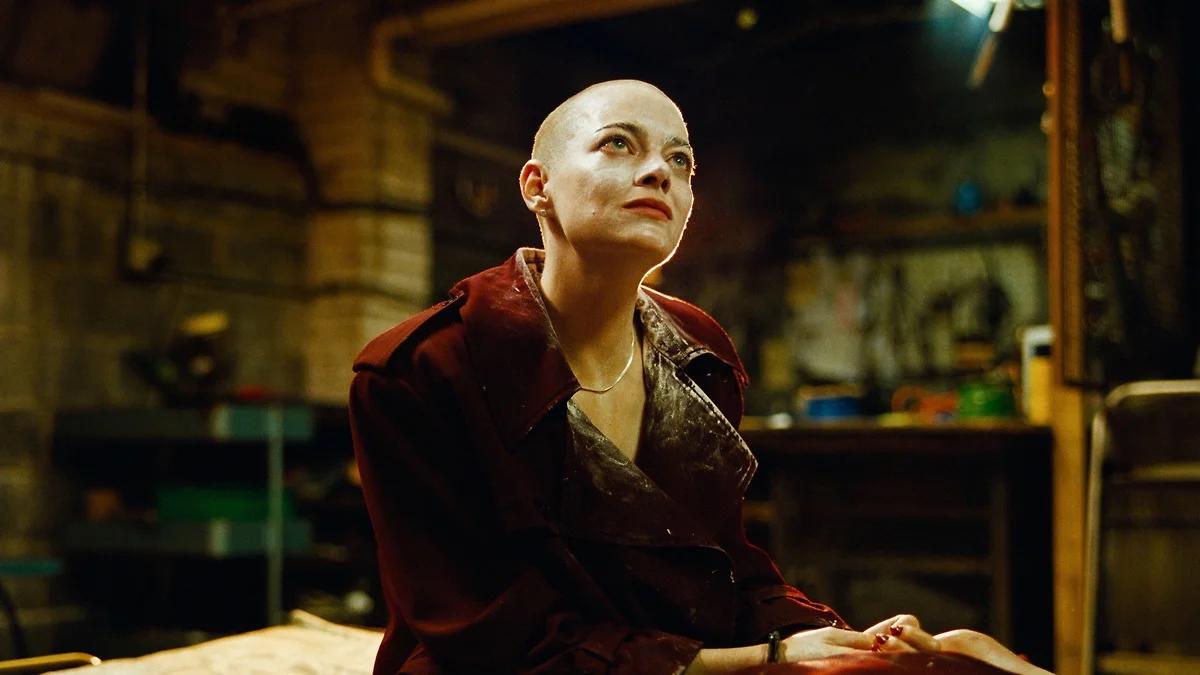
A still from ‘Bugonia’
| Photo Credit:
Focus Features
Yorgos Lanthimos returns with a feverish satire that traps its characters inside a conspiracy narrative where paranoia mutates into political theology. Jesse Plemons plays a beekeeper convinced that a pharmaceutical executive portrayed by Emma Stone is an alien infiltrator preparing to destroy the planet, and he drags his bewildered cousin into a kidnapping plot. Lanthimos stages the film with icy detachment, allowing the absurdity of the premise to collide with a world that already feels unhinged by algorithmic misinformation and cultish devotion to charismatic authority figures. The performances lean into that discomfort, particularly Stone’s eerie composure as a woman who might be a corporate titan or something far stranger. The film’s conceptual audacity does generate genuine fascination but the narrative repeats familiar rhythms from the director’s earlier collaborations, which leaves the satire feeling slightly self-referential.

The film arrived with strong festival buzz and Stone’s performance kept it in the awards conversation, yet reactions remained divided between those who admired its satire and those who felt the director’s provocations had started repeating themselves. Still, the nomination feels justified as recognition for one of the year’s most distinct voices, even if the film itself left many viewers unsure whether the joke had finally worn thin.
6. Marty Supreme
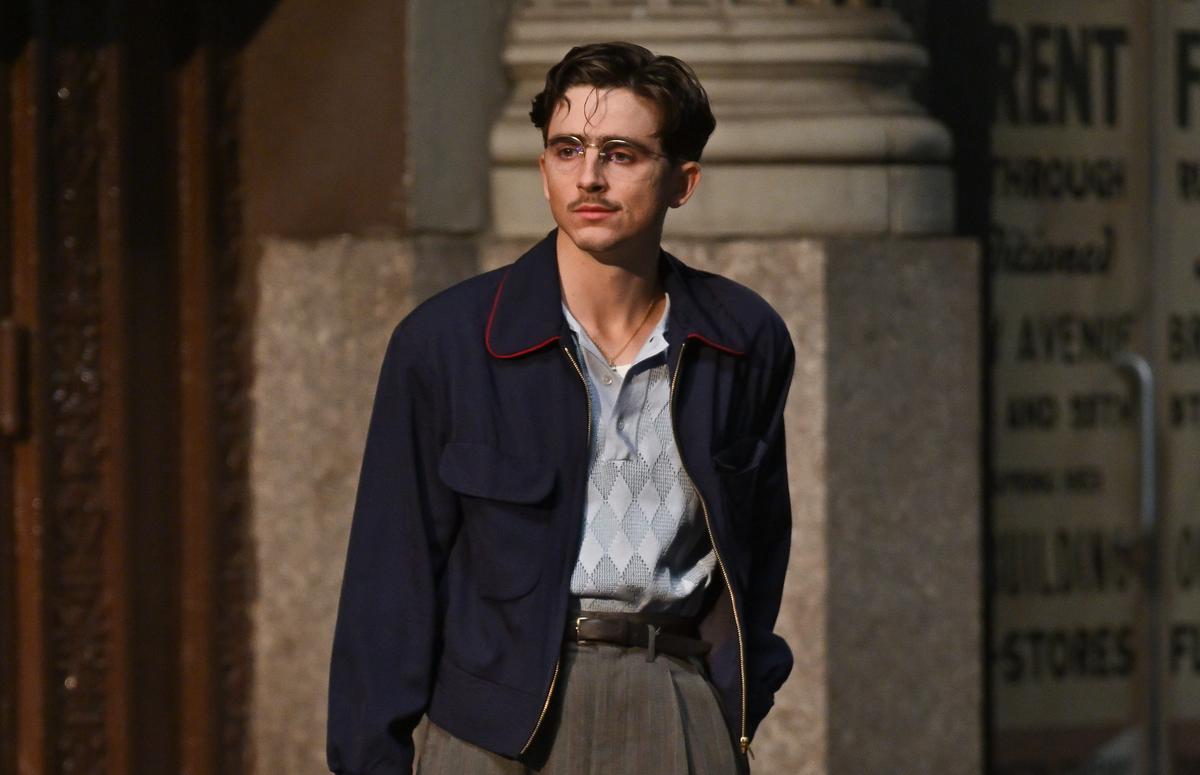
A still from ‘Marty Supreme’
| Photo Credit:
A24
Josh Safdie directs Timothée Chalamet as Marty Mauser, a reckless hustler who storms through 1950s New York chasing fame, money, and the intoxicating belief that greatness waits just around the corner if he moves fast enough. The film draws energy from Safdie’s restless camera and Jack Fisk’s production design, which recreates mid-century Manhattan with tactile detail. Chalamet performs with manic intensity as a man who treats every relationship like collateral damage in his pursuit of legend, and the movie barrels forward with exhilarating momentum before settling into a portrait of ego that feels both intoxicating and exhausting.

Chalamet’s ferocious performance powered the film through the season, earning him major precursor wins including Best Actor at the Critics Choice Awards and positioning the movie as a showcase for pure movie-star bravado. Its inclusion here felt almost inevitable once Chalamet emerged as a central figure in the acting race, even if the film (and Timmy himself) remains divisive.
5. Hamnet
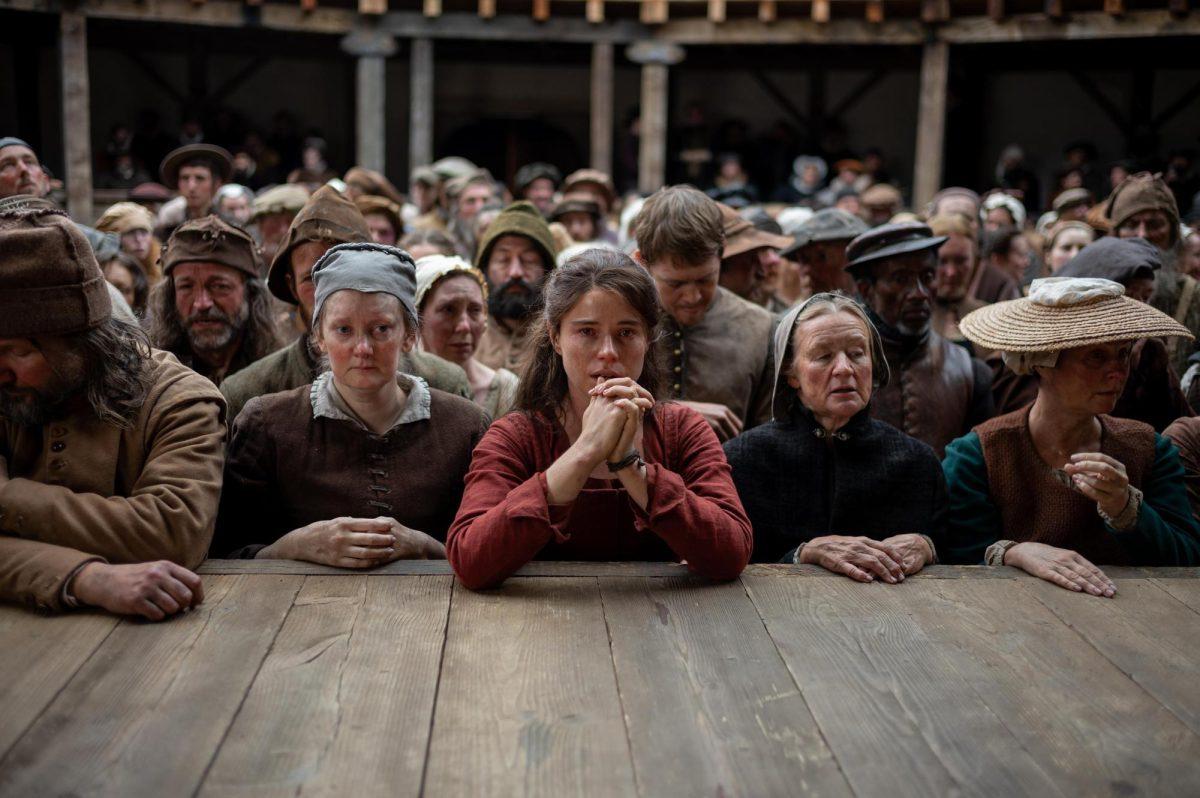
A still from ‘Hamnet’
| Photo Credit:
Focus Features
Chloé Zhao approaches Maggie O’Farrell’s novel about Shakespeare’s family with a profound lyrical sensitivity that has defined her filmmaking since Nomadland. Jessie Buckley plays Agnes Shakespeare as a mother whose life fractures after the death of her young son Hamnet, and that tragedy ripples through the household to eventually shape the creation of the play that will carry the boy’s name into theatrical immortality. Zhao constructs the film through corporeal fragments of domestic life, including candlelit kitchens, muddy village paths, and the strange rituals that define the family before catastrophe arrives. Paul Mescal appears as William Shakespeare, whose grief manifests through artistic creation while Agnes remains trapped inside the physical absence of the child she lost. Buckley delivers a masterly performance that pulses with raw emotional intensity, and the film gradually reveals itself as a meditation on how art transforms private sorrow into cultural memory.

The film surged early in the season after winning Best Motion Picture Drama at the Golden Globes and establishing Jessie Buckley as the clear frontrunner for Best Actress after sweeping nearly every precursor award leading upto the Oscars. Its position here feels completely earned, especially for voters drawn to classical prestige dramas.
4. Sentimental Value
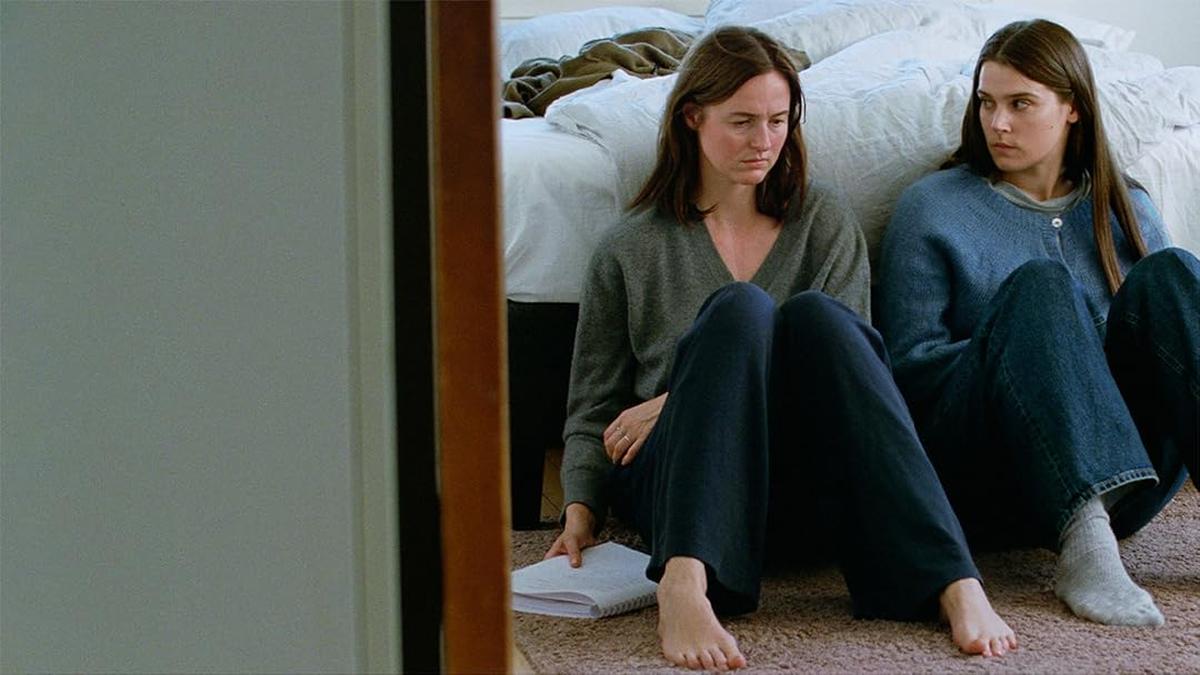
A still from ‘Sentimental Value’
| Photo Credit:
NEON
Joachim Trier crafts a delicate family drama that examines the emotional wreckage left behind by a celebrated filmmaker who attempts to reconnect with the daughters he abandoned years earlier. Stellan Skarsgård plays the aging director with a mixture of ego and regret while Renate Reinsve and Inga Ibsdotter Lilleaas portray sisters who carry the psychological imprint of a childhood shaped by his absence. Trier situates the story inside a lived-in Oslo home whose architecture records decades of unresolved tension. The film unfolds through long conversations and fleeting gestures that unravel the complicated intimacy of a family learning how to speak honestly after years of silence. Trier’s script with Eskil Vogt balances humour and melancholy with remarkable ease, and the ensemble performances create the sensation of watching real relatives circle each other inside rooms filled with emotional history.

The film benefited from a broader shift within the Academy toward international cinema, and its layered family drama quickly became a favourite among Trier enthusiasts and beyond throughout the year. Its place here feels like the continuation of that global turn, to reflect cinema beyond the often pedestrian trappings of Hollywood.
3. Sinners
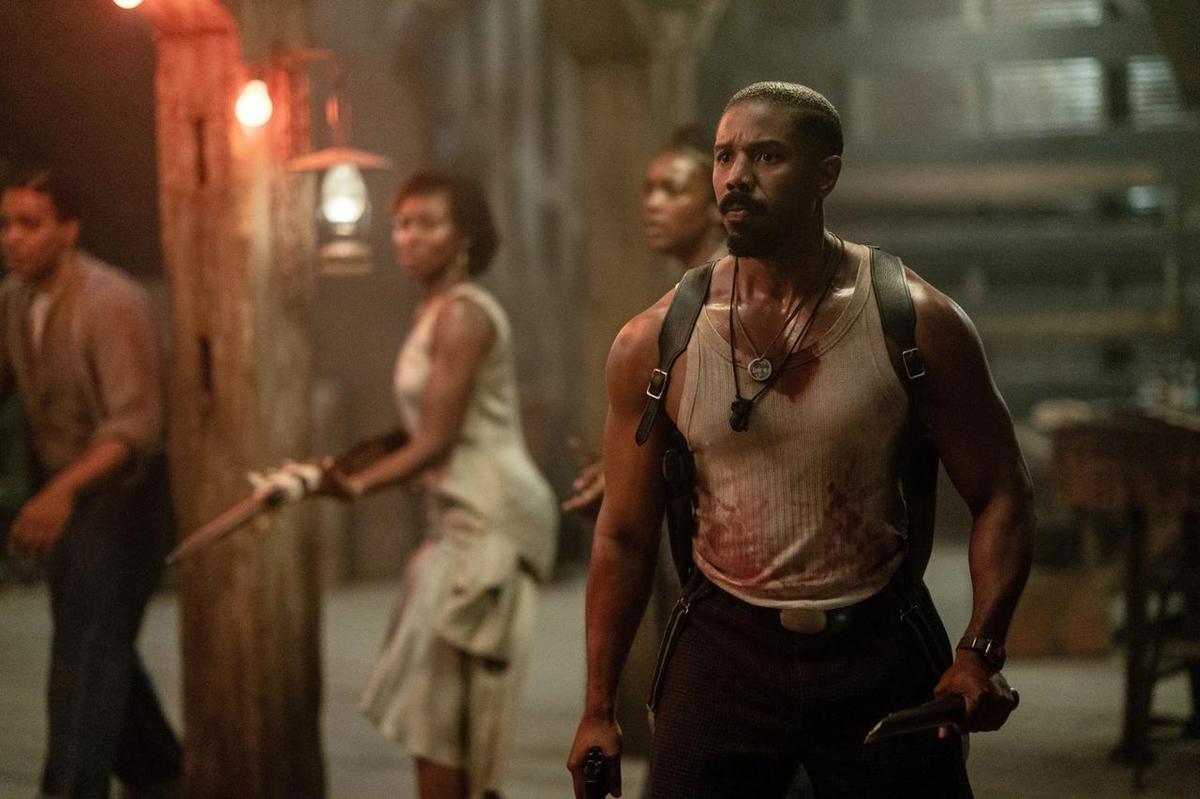
A still from ‘Sinners’
| Photo Credit:
Warner Bros.
Ryan Coogler merges Southern Gothic folklore with vampire mythology in a genre spectacle that places supernatural horror inside the racial tensions of the Jim Crow South. Michael B. Jordan plays identical twins Smoke and Stack, former criminals who return to Mississippi to open a juke joint only to discover that the town hides a predatory force more ancient than the blues. Coogler orchestrates the film with muscular confidence while Ludwig Göransson’s score blends slide guitar and gospel rhythms into a soundtrack that feels inseparable from the narrative. The ensemble cast includes Wunmi Mosaku, Delroy Lindo, Hailee Steinfeld, Jack O’Connell and newcomer Miles Caton — each character inhabiting a world where music becomes celebration and resistance. The movie thrives on tonal volatility as humour, romance, and carnage swirl together, creating a genre film that channels historical trauma through pulp storytelling.

The genre-bending horror epic dominated the nomination tally with a record-breaking sixteen Oscar nods and strong box office returns, positioning it as both a critical and commercial force. Its presence in the race represents a rare moment where the Academy’s tastes have aligned with popular enthusiasm for a bold studio movie.
2. One Battle After Another
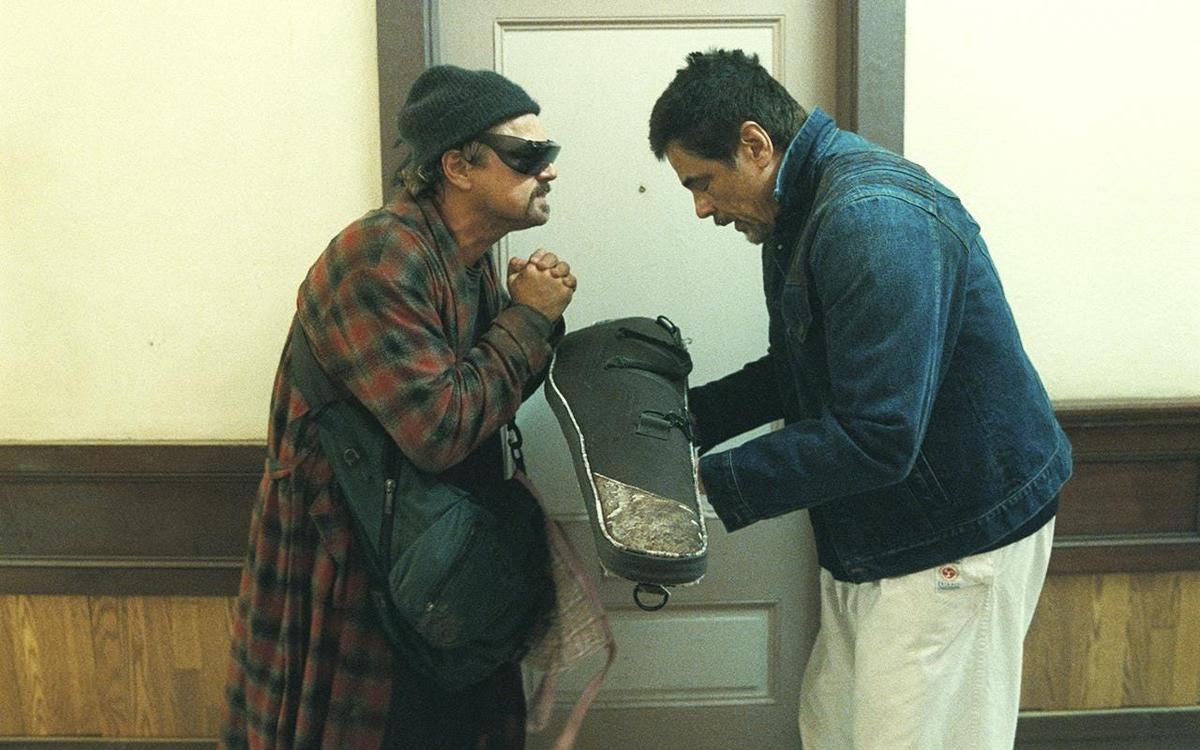
A still from ‘One Battle After Another’
| Photo Credit:
Warner Bros.
Paul Thomas Anderson adapts the anarchic spirit of Thomas Pynchon into a sprawling political comedy that follows a band of unlikely rebels attempting to survive a future America sliding deeper into authoritarian paranoia. Leonardo DiCaprio leads the ensemble as a reluctant participant in a chaotic resistance movement while the ensemble cast boasting Teyana Taylor, Sean Penn, Benicio del Torro and newcomer, Chase Infiniti deliver performances that inject urgency and wit into the film’s restless narrative. Anderson structures the story around elaborate set pieces that include a standout car chase staged with the kind of logistical precision that only a director operating at this scale could attempt. The film captures the jittery sensation of living in a culture that feels permanently on the brink of collapse, and Anderson uses humour as a tool for dissecting the machinery of state power and the fragile hope that collective action might disrupt it.

The revered auteur’s tenth feature film swept several critics’ groups and took home the top prize at most major precursors, quickly emerging as one of the season’s most formidable contenders. Its nomination never felt in doubt, and the broader awards circuit has treated the film like a classic ambitious American epic that voters historically rally behind to go the whole way.
1. The Secret Agent
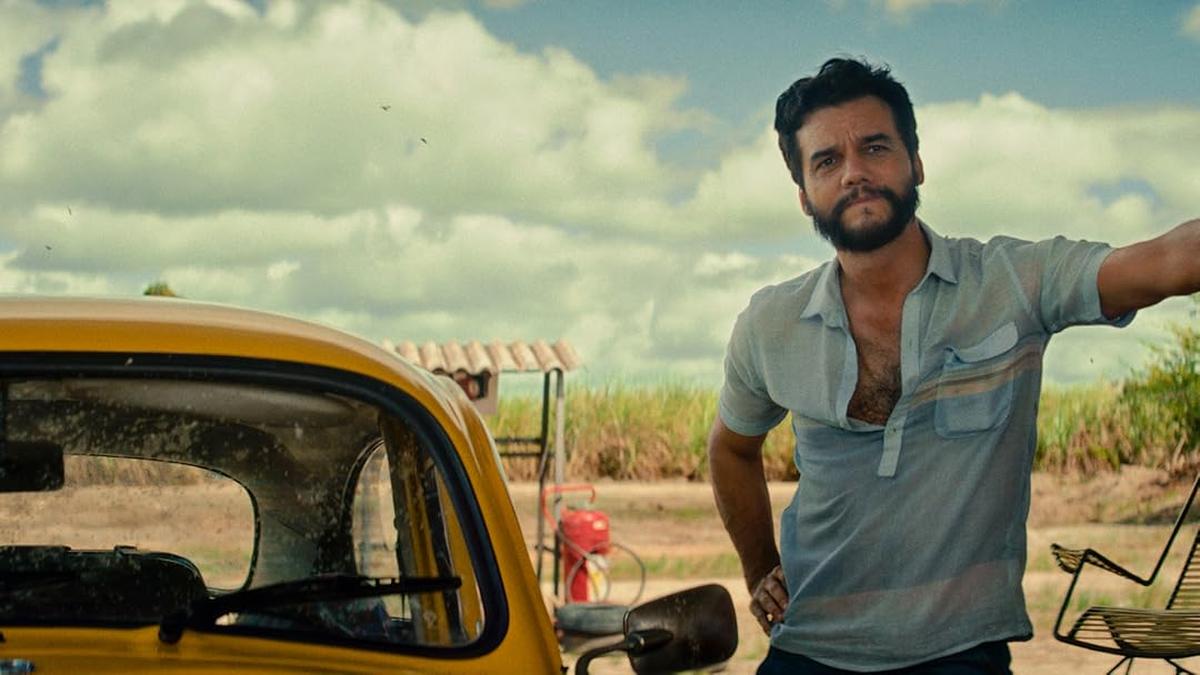
A still from ‘The Secret Agent’
| Photo Credit:
NEON
Kleber Mendonça Filho delivers a stunning political thriller that unfolds in his hometown, Recife during Brazil’s military dictatorship of the late 1970s, where a university professor played by Wagner Moura becomes an accidental enemy of the state after confronting a corrupt businessman with powerful government allies. Moura’s Armando retreats into hiding while hitmen close in and Carnaval celebrations flood the city with noise and colour that masks the sinister machinery of repression operating beneath the surface. Mendonça Filho threads the narrative with sly cinematic references and episodic digressions that transform the story into a meditation on memory, fear, and the courage required to resist fascism. The film expands its scope through a gallery of unforgettable characters, including the defiant safe-house caretaker Dona Sebastiana played by Tânia Maria, and the grotesquely officious police chief Euclides Cavalcanti whose casual brutality hangs over Recife like humidity. The result is intimate and expansive, carrying the weight of history while pulsing with mischievous cinematic life.

The film became one of the season’s most celebrated international discoveries, with critics praising its political sophistication and novelistic storytelling. Among cinephiles, the film quickly developed the reputation of a sleeper masterpiece hiding inside the awards race. Yet, admiration alone undersells the situation. At a moment when authoritarianism, cultural erasure, and the bureaucratic laundering of violence circulate through governments across the world, Mendonça Filho’s film dissects those mechanisms with a diagnostic clarity. The Best Picture is meant to define the cinematic year it represents, which makes the possibility of this film losing feel depressingly familiar, because the Academy’s annual exercise in institutional self-congratulation has spent nearly a century perfecting the art of rewarding winners that age like milk.
The 98th Academy Awards will be held at the Dolby Theatre in Los Angeles on March 15 and will stream live in India on March 16 from 4:30 AM IST on JioHotstar.
[ad_2]
Source link

 Total Users : 10234967
 Views Today : 3538