

[ad_1]
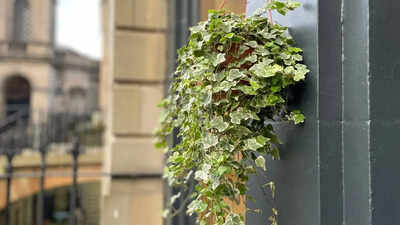
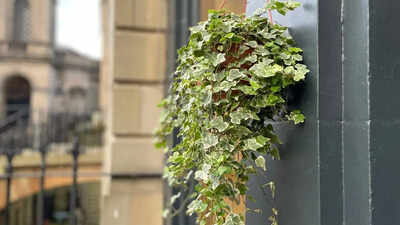
English ivy shows up in a lot of places, quietly. On old brick walls, around balcony railings and sometimes trailing from a simple indoor pot that sits in a corner and gets little attention. Gardeners often mention how quickly it settles into a space, adapting without much fuss. Reportedly, it has been used for centuries in both decorative and practical ways, which says something about its reliability.This is why English ivy is always found in homes and gardens, despite varying weather conditions. It does not require constant upkeep, but it thrives with proper handling.
English ivy growth habits and natural appearance
English ivy (Hedera helix) has a reputation for flexibility. It might grow indoors near a window or spread across shaded outdoor areas with ease. Experts say its climbing nature allows it to attach to surfaces using small aerial roots. This is why it’s often seen covering walls or fences in a dense green layer.Its leaves, usually dark green with subtle variegation in some varieties, create a soft visual texture. The research titled “The Effectiveness of Eight English Ivy Cultivars in Removing the Indoor Air Pollutant Toluene and Xylene and Their Responses to Toluene and Xylene Stresses” explored how different varieties of English ivy (Hedera helix) perform in absorbing common indoor air pollutants under controlled conditions.Light conditions play a role, though not in a demanding way. English ivy prefers bright, indirect light indoors. It can tolerate lower light levels, but growth may slow. Outdoors, shaded or partially shaded areas suit it best. Harsh sunlight can stress the leaves, especially in warmer climates. Watering tends to be straightforward. The soil should feel slightly moist but never soggy.
English ivy care : Soil, fertiliser, and pruning for healthy growth and fuller vines
A well-draining potting mix works best. Nothing overly compact. Roots need space to breathe. Slightly acidic to neutral soil seems to suit English ivy well.Feeding is minimal. A balanced liquid fertiliser during the growing season is usually enough. A monthly application is often recommended by growers. Too much fertiliser can lead to fast, weak growth that looks stretched rather than full. Pruning is not just maintenance. It shapes the plant’s appearance. Left unchecked, English ivy can spread quite freely. Cutting is best done with clean, sharp tools. Early spring or late winter tends to be a suitable time. Removing older or leggy stems gives space for new shoots to develop.
English ivy: Indoor use and placement ideas
Indoors, English ivy often works well in hanging baskets. The vines cascade naturally. Shelves and plant stands also suit it. The trailing effect adds movement to otherwise static spaces. Temperature preferences lean toward cooler conditions that makes typical indoor environments suitable, though sudden heat or dryness can affect growth.One small observation many plant owners make is how placement influences behaviour. Near a bright window, the plant grows more actively. In dim corners, it slows down and becomes more compact.
Common issues that might appear
Yellowing leaves can indicate watering problems. Often linked to excess moisture or poor drainage. Adjusting watering habits usually helps correct this.Pests such as spider mites or aphids may occasionally appear. They tend to settle on leaves that are dusty or neglected. A gentle wash or treatment with insecticidal soap can keep them under control.Fungal problems might occur in overly damp conditions. Good airflow and careful watering reduce the risk. Removing affected leaves early can limit the spread.
Safety considerations for households
According to the study published in ASPCA, English ivy is also known to be toxic to animals if ingested. It can make dogs and cats uncomfortable if they ingest the leaves. It is best kept out of reach in homes where animals are around. English ivy is also linked to stability and continuous growth in some cultures, like Feng Shui. It is often kept in places where there is stagnation, believing that living plants bring balance. Whether or not one believes in such ideas, it is undeniable that green spaces make spaces look softer.
[ad_2]
Source link

 Total Users : 10220963
 Views Today : 3067