

[ad_1]
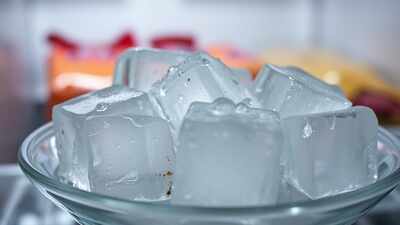
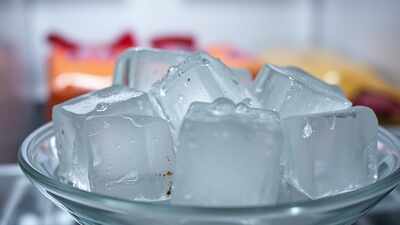
We perceive the freezer as merely a silent button that stops time from altering the freshness of our food. The leftovers, frozen vegetables, and ice cubes are placed inside without a doubt that their freshness will be preserved until they are consumed. However, if you have ever tasted your water only to find the ice cube to taste like stale garlic, or cooked a frozen steak only to find it dry and slightly altered, then you have experienced firsthand the chemical changes that take place inside your freezer.While the freezing process is indeed the cause of the problem, its speed and the company it keeps when it comes to freezing are two other important factors. Most domestic freezers freeze their contents gradually, creating ideal conditions for a phenomenon known as “odour-active compound migration.” In simpler terms, it means that the environment inside your freezer turns into a passageway through which smells can move, allowing volatile compounds to travel from an insufficiently protected package of fish right into your ice tray.What makes ice cube tastier?But why is it that ice cubes made at home are less refreshing than commercial versions? Well, it depends on the speed of freezing. In the research paper titled Effect of freezing method and frozen storage duration on odor-active compounds and sensory perception of lamb, scientists explain how different methods of freezing affect the chemical composition of our food. They discovered that the gradual freezing process common to most homes encourages the formation of certain chemical indicators, such as Strecker aldehydes.
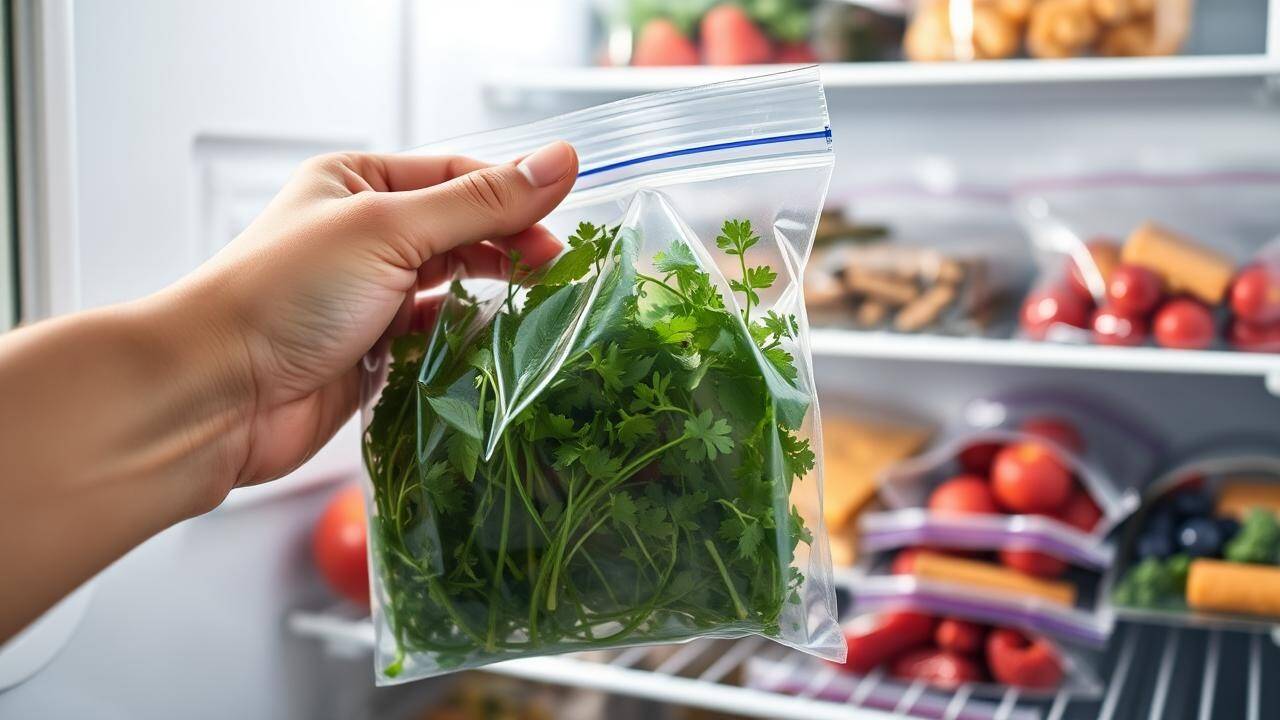
This process also damages food’s microstructure, leading to dryness and loss of juiciness. Proper packaging and quick freezing can prevent these flavour and texture changes.
This contributes to the unpleasant flavours associated with artificial foods. As the water in the ice melts slowly, jagged ice crystals are formed. These aren’t inactive; they function like small sponges by absorbing odorant molecules from the environment. It is akin to having an open box of baking soda in your fridge to neutralise odours, but now you will have consumed these molecules. Understanding this alteration may help account for the difference between ice stored in the freezer for months and fresh ice cubes.Damage to the microstructure and lack of juiceNot only can freezing affect the flavour of your meals, but it can also affect the texture. Have you ever wondered why frozen fruits and meats lose their juiciness when defrosted? It is because of the changes in the microstructure caused by the process of freezing. One particularly relevant study published in the International Journal of Food Research explored how the freezing rates and freeze-thaw cycles impact the microstructure and textures of vegetables and other foods.This is particularly noticeable with meat; when the cell walls rupture, all of the natural fluids escape during thawing – that is what is known as purge loss. The meat becomes very dry and unpalatable. But it works with ice too; frozen ice is capable of sublimation into vapour and then freezing again. And that cycle of partial melting and freezing, initiated through modern refrigerator auto-defrost, leads to coarse structure formation and enables the transfer of neighbouring food odours.How to restore your freezer as a flavour keeperThe good news is that there are a number of changes you can make to your freezer organisation that will ensure no more flavour robbery occurs. Since you know now that both the slow freezing process and air circulation cause flavour transfer, the logical step is to counteract these factors. You need to cover your ice trays, similarly to how you cover leftover foods.To combat the loss of juiciness in meat and produce, try to mimic the “air blast” freezing used by professionals. You can do this by ensuring there is plenty of space around a new item when you first put it in, allowing the cold air to circulate and freeze it as quickly as possible. Avoid stacking warm items directly on top of each other, which creates a “warm core” that freezes slowly and produces the largest, most damaging ice crystals.Watch the clock. While food is good indefinitely if kept at zero degrees, as demonstrated by the sheep experiment, it will begin to deteriorate after a few months. Organise your freezer so that foods are eaten in order from oldest to newest, all stored in airtight bags. Your ice will be pure, and your roasts will be moist on Sundays!
[ad_2]
Source link

 Total Users : 10226468
 Views Today : 449