


[ad_1]
On some days, she feels low, with zero energy, and takes longer to do simple tasks. On other days, she’s energetic, makes a lot of impulsive decisions, and is chasing the next big project. Recently diagnosed as neurodivergent, an upbeat Mehar Malhotra, 26, who calls herself “neurospicy” instead, says filmmaking is her therapy. On the set, she isn’t impulsive. The process of creating gives her the dopamine boost she seeks on most days.
One among the 14 live-action and 5 animated films, chosen from a pool of 2,750 global submissions, at La Cinef school films’ competition, the Film and Television Institute of India (FTII) graduate’s 24-minute Punjabi short film Parchaave Massiah Raatan De (Shadows of the Moonless Nights) is the only Indian film to be selected in competition at the 2026 Cannes Film Festival (May 12-23). The 4K restored John Abraham’s Amma Ariyan (1975) screens in Cannes Classics.

There is an unsaid pressure. After the past wins of its students Ashmita Guha-Neogi (CatDog, 2020) and Chidananda S. Naik (Sunflowers were the First Ones to Know, 2024) at La Cinef, can FTII deliver a three-peat feat this time too? “There’s pressure, but I never expected this to happen. The selection is already a win for me. I have never been bothered about outcomes in my life,” says Malhotra, who studied at Delhi’s Vivekananda Institute of Professional Studies before going to FTII, Pune in 2020, and then to Bombay for stints at an advertisement firm and as an assistant director on Sudhanshu Saria’s Sanaa (2022).
The weight of un-rest
The original title of the film was going to be just Massiah, which in Punjabi means amavasya (moonless night). This is the story of an impecunious, displaced family from Punjab living in urban Pune. Rajan (Prayrak Mehta, of Black Warrant, Kohhra fame) lives with his sister’s family and pulls night shifts as a factory worker. The mornings are noisy; he can barely keep his eyes open, but is tasked with chores like dropping his niece to school. He has just one desire, one that’s unavailable to him: a good night’s rest.
To write her film, Malhotra dipped into personal history. She recalls her maasi (maternal aunt), who lived with them and pulled night shifts at a call centre. “She used to be so irritated in the mornings because it is a loud, noisy Punjabi household, and I had to go to school, Papa would get ready for office. Even if she wanted to sleep, she couldn’t. She was always sleep deprived and had breakdowns. I felt the same in Mumbai initially. I had a very noisy roommate in my PG, and one day, I went and slept on the stairs of my building. When I woke up, my bag, everything was gone. I called my mother and kept crying that I want to sleep,” she says.
Sleep is a universal thing. In her film, she shows how sleep is a luxury in a capitalist society, unavailable to the working class. The first image for the film that came to Malhotra was of the factory worker who works night shifts and is unable to sleep. Of a person at night, wandering the city and watching people sleep in pockets under the moonlit sky, crawling into whatever is nigh, in the underpasses and under the bridges, street vendors on their own cart, watchmen in their chairs, etc., to see people catch a nap while himself being in a state of unrest. This montage is her favourite scene from the film.
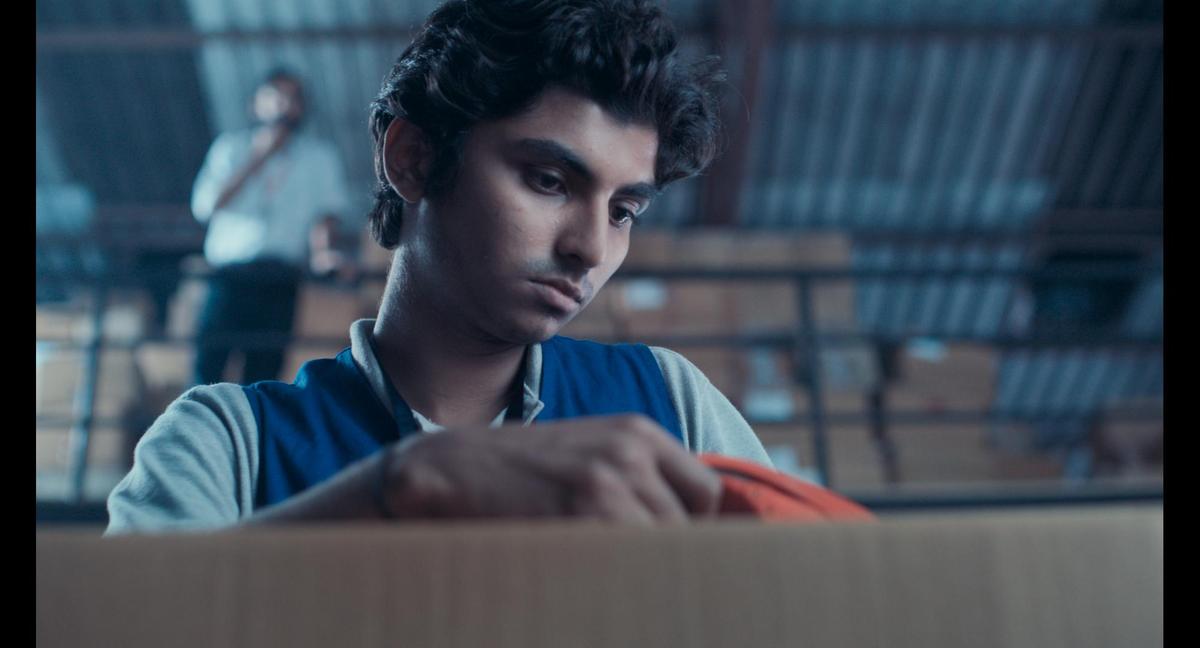
Prayrak Mehta as Rajan in Parchaave Massiah Raatan De (Shadows of the Moonless Nights).
| Photo Credit:
Special arrangement
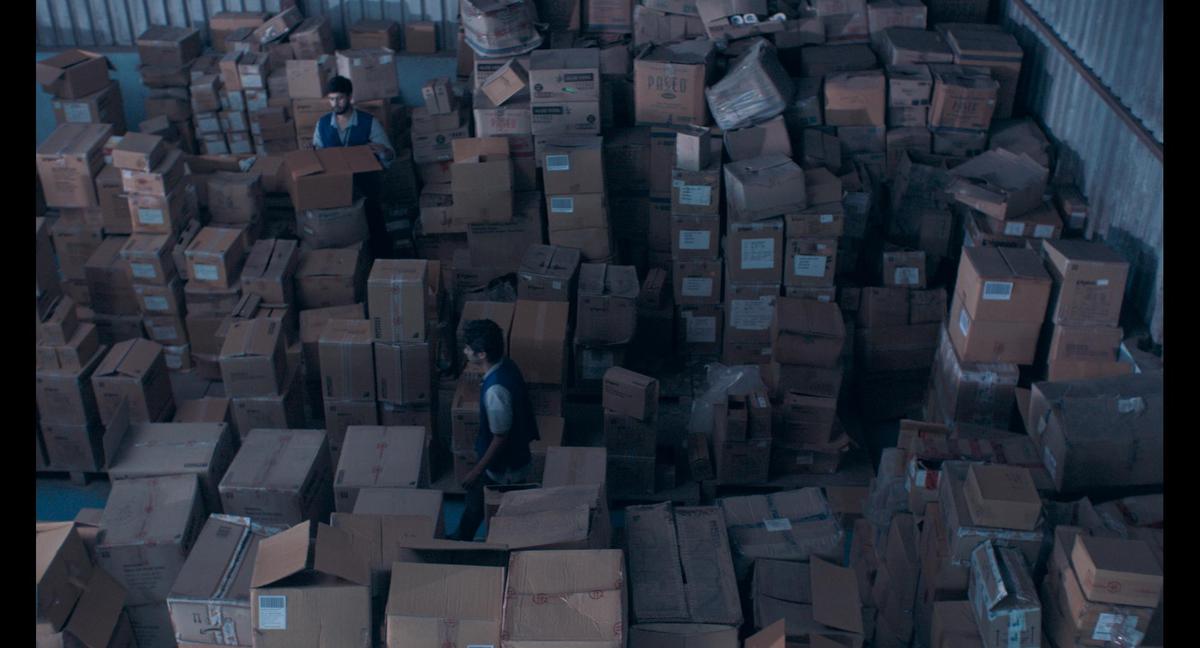
A still from Rajan’s factory in Parchaave Massiah Raatan De (Shadows of the Moonless Nights).
| Photo Credit:
Special arrangement
From Martin Scorsese to The Safdie brothers and Coen brothers, filmmakers have explored the inability to sleep, owing to either insomnia or work/ responsibilities or circumstances. In Malhotra’s short, Rajan isn’t an insomniac, he is “chasing sleep”. Malhotra describes how she began exploring more themes around it. “The familial tensions and treatment of the working class. The socio-economic aspect of how this displaced family lives in a small, cramped household, in a place which is so culturally and linguistically different. The lack of privacy in their own home. And even if it’s a loving family, how the cracks can widen because of this person doing the night shift [and drinking alcohol]. I wanted Rajan to be a character who has no release, rest or escape from his situation. It’s just an illusion of escape, of choice.”
Mentor Ganesh Gaikwad, at FTII, helped trimmed the long draft of the film’s script. In a 4-minute-long single take, he suggested to keep the focus on just two characters Rajan and his fellow factory mate Kedar bhau sharing a drink, instead of showing a lot of workers poking fun at Rajan. That could have been a little too dramatic and all over the place. “A singular character will introduce more intimacy, and a personal moment. And, one gets a more intimate glimpse of another character in the factory, besides Rajan, instead of generalising,” Gaikwad told her.
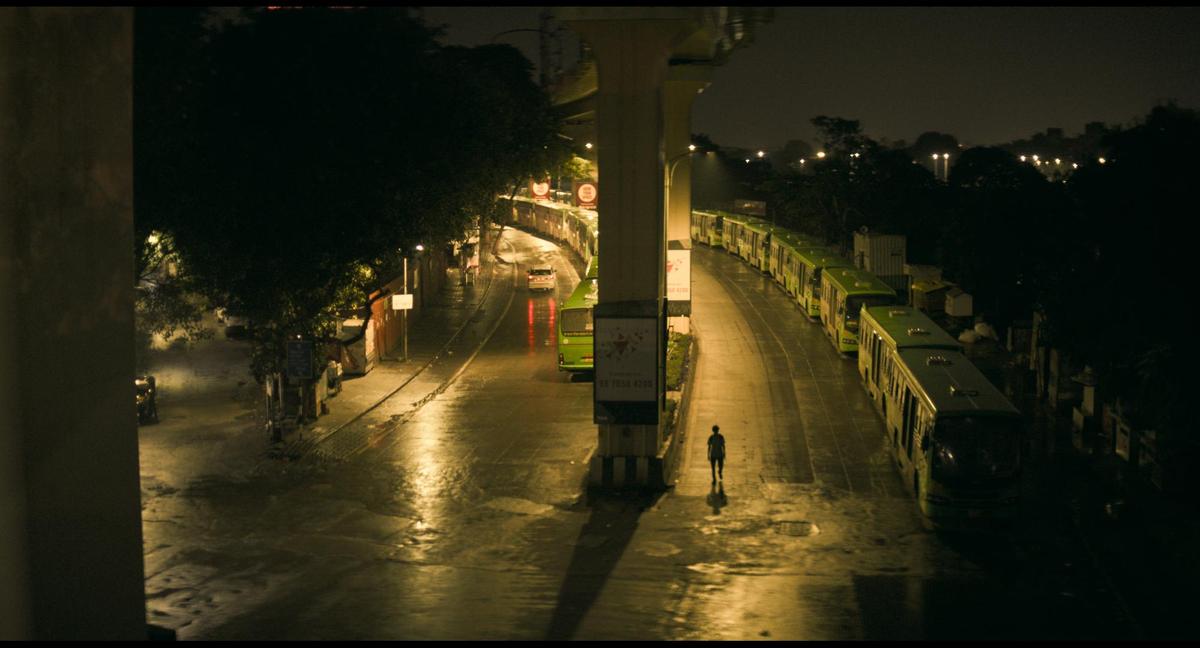
A still from Parchaave Massiah Raatan De (Shadows of the Moonless Nights).
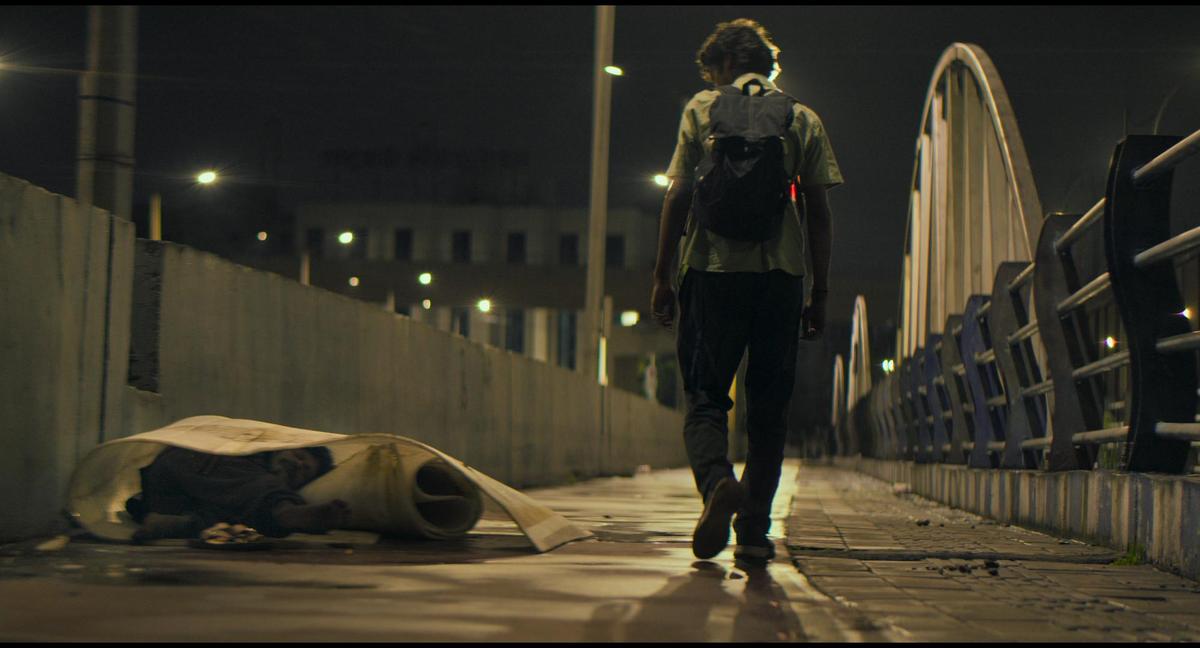
A still from Parchaave Massiah Raatan De (Shadows of the Moonless Nights).
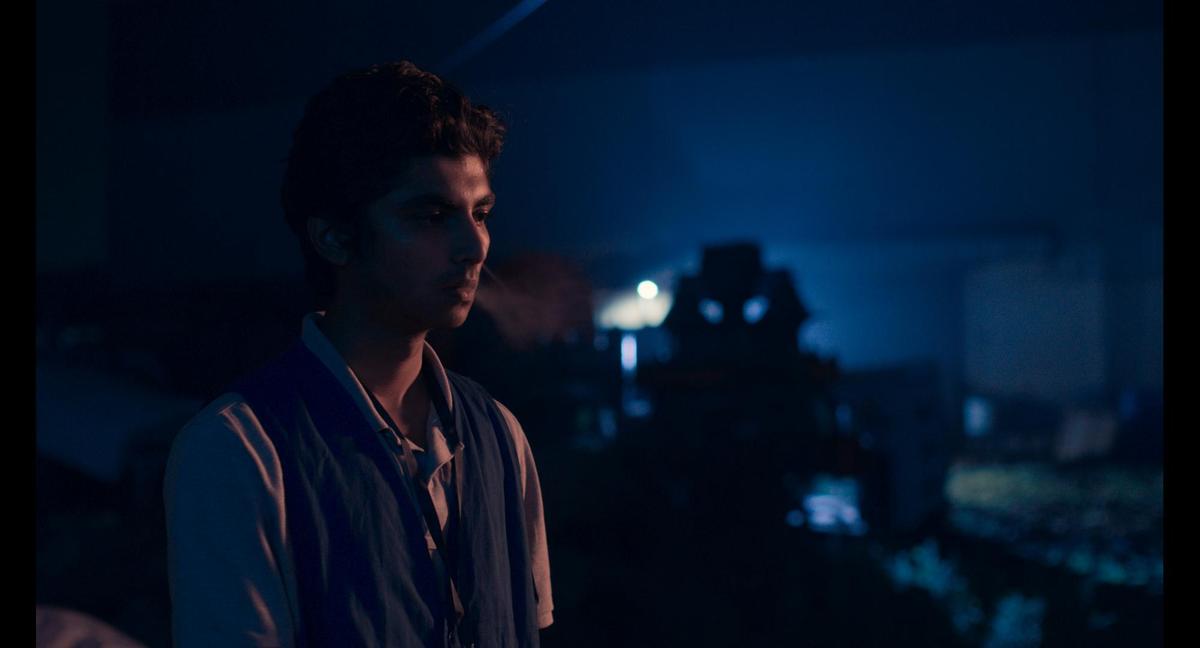
A still from Parchaave Massiah Raatan De (Shadows of the Moonless Nights).

“Rajan isn’t an insomniac, he is chasing sleep. I wanted Rajan to be a character who has no release, rest or escape from his situation. It’s just an illusion of escape, of choice.”Mehar MalhotraDirector, Parchaave Massiah Raatan De (Shadows of the Moonless Nights)
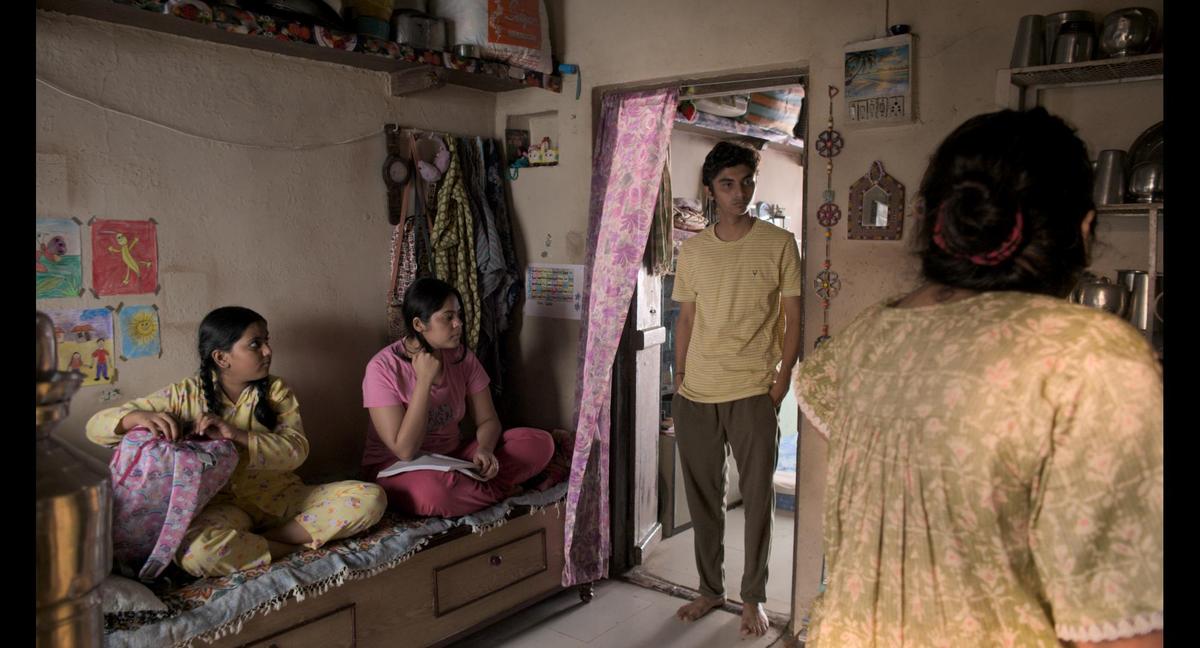
A still from Parchaave Massiah Raatan De (Shadows of the Moonless Nights).
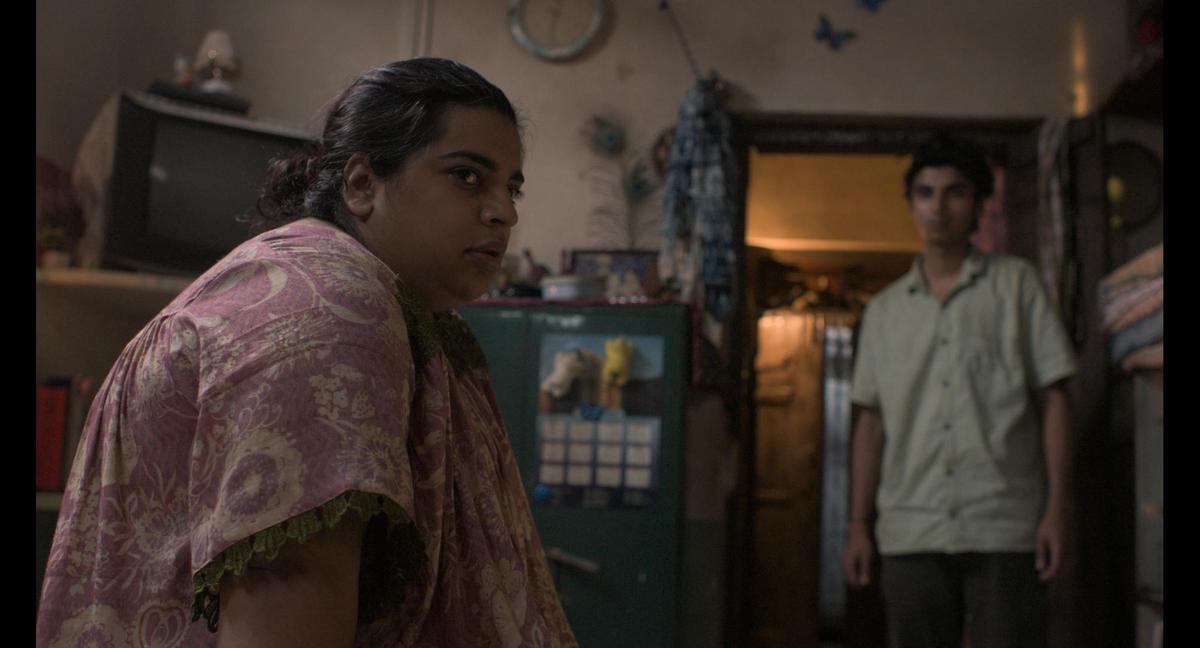
Rajan (Prayrak Mehta) with his sister Anju (Nikita Grover) in Parchaave Massiah Raatan De (Shadows of the Moonless Nights).
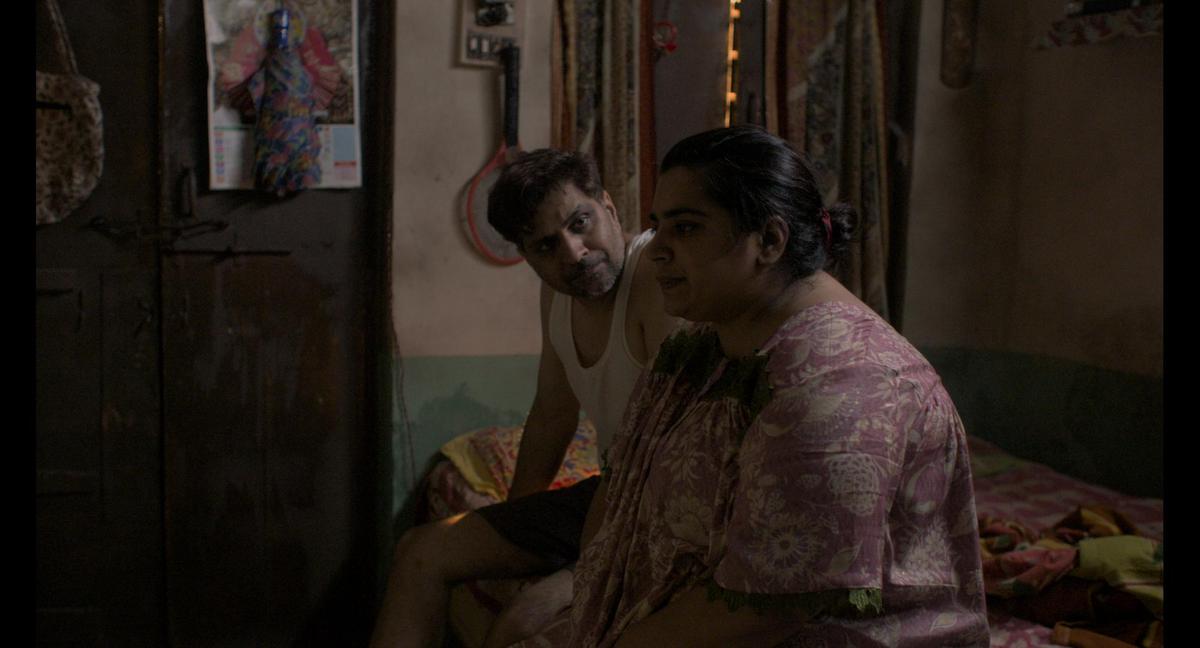
Himanshu Kohli with Nikita Grover in Parchaave Massiah Raatan De (Shadows of the Moonless Nights).
Keeping it real
Having said that, this is not her reality. “I always go through that dilemma,” Malhotra says, “I understand the privilege that I come from when writing stories which are not my lived experiences. Even though sleep deprivation is universal, Rajan’s experience is so different from mine. There is always a fear of putting myself on a pedestal and then looking down on my own characters as somebody who are victims and need help. I am always aware that I should not do that. Besides, if you do it, your camera and your script will show that, it will reflect in the frame, in the way you position your camera, and whether it is looking down at the characters.” In this film, the camera is at their eye level.
‘Simple films, complicated characters’
Mehar Malhotra likes “simplistic narratives with morally ambiguous characters”, such as John Cassavetes’ A Woman Under the Influence (1974), Rainer Werner Fassbinder’s Fox and His Friends (1975), Die My Love (2025) director Lynne Ramsay’s Morvern Callar (2002), Andrea Arnold’s Red Road (2006) and American Honey (2016).
The persistent image of deadpan exhaustion the young actor (Prayrak as Rajan) elicits haunts you much after the film has ended. Cinematographer Digannt Surti used Sony Venice 2 camera but wanted a “film effect”. The camera gives very sharp images, and the director wanted a little softness, so they used high speed lenses, to give anamorphic images. The visuals are not symmetrical, sometimes there is not much headroom. “I love imperfect images in cinema, because that closely mimics life for me. Then, the soundscape: the whistling is injury upon insult for it makes him want to drift into sleep but he can’t. And the violent waves crashing on the rocks, expressing the unrest Rajan feels within, no landscape outside can fix that.”
Writing the sound into the script was important for Malhotra. They kept going back to Lucrecia Martel film The Swamp (2001). “There are so many off-screen sounds that we hear in that film which are not part of the frame, but it builds the atmosphere and adds a bit of mystery, it’s not always necessary to actually hear whatever is in the frame, especially in a country like India, there’s noise everywhere. We let life come in. Lucrecia has a vital, beautiful process of writing the soundscape first, and so we wrote the soundscape (sounds of clanking utensils, etc.) with the script,” she adds.
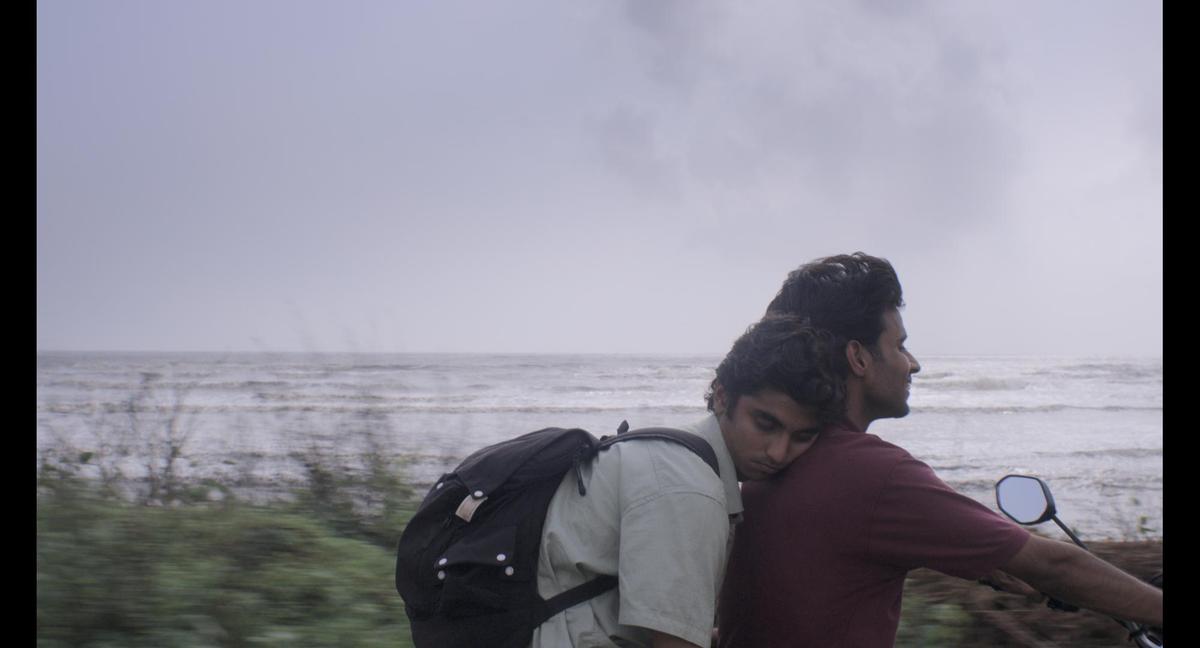
A still from the film; shot in a day around the Harnai beach near Pune.
Making her film in Punjabi was natural. “In FTII, we’ve always been taught to find our own voice and to go back to our roots. I’m from Delhi and my mother comes from Ludhiana in Punjab,” she says. A teacher told her to learn how to read and write in Gurmukhi and to go explore my mother’s native place. She is determined to make a longer, feature-length film in the Punjabi language. “I find the language very emotional and sweet. And, taking inspiration from Gurvinder [Singh] sir, take this language to tell stories which represent the reality of Punjab, or of characters from Punjab. That’s very powerful,” she quips.
tanushree.ghosh@thehindu.co.in
[ad_2]
Source link

 Total Users : 10224316
 Views Today : 3961