

[ad_1]
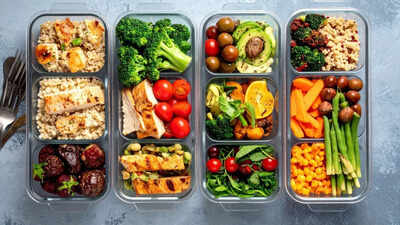
There is a strange kind of disappointment that comes with eating something “healthy” and still ending up with a bloated stomach, cramps, or uncomfortable gas. A bowl of salad, a handful of nuts, a fruit smoothie, or even oats can suddenly leave the stomach feeling heavier instead of lighter. For many people, this creates confusion. If the food is good for the body, why does the gut react badly to it?The answer lies in the fact that digestion is deeply personal. A food that works perfectly for one person may cause discomfort in another. The gut is not just reacting to whether a food is healthy or unhealthy. It reacts to quantity, timing, gut bacteria, sensitivities, hydration, and even stress levels.As Dr Sharad Malhotra, Senior Consultant & Director, Gastroenterology, Hepatology & Therapeutic Endoscopy, Aakash Healthcare, explains, “Many people think that if a food is healthy it will automatically agree with everyone’s tummy. That is not always the case. Foods like salads, beans, broccoli, oats, nuts, seeds and even fruits are full of fibre and good stuff. They can sometimes make you feel bloated, gassy or give you stomach cramps. This can happen if you eat too much of them or introduce them suddenly into your diet.”The important thing is not to fear healthy foods, but to understand how the body responds to them.
Fibre is good, but too much too quickly can overwhelm the gut
Fibre has become the poster child of healthy eating. Doctors recommend it for heart health, digestion, blood sugar control, and weight management. But the gut often needs time to adjust to it.Foods such as oats, lentils, beans, broccoli, flaxseeds, apples, pears, and salads are rich in fibre. When someone suddenly shifts from processed food to a very high-fibre diet, the digestive system can struggle to keep up. The bacteria in the intestine ferment fibre, and this process naturally produces gas.That is why a “clean eating” phase sometimes starts with bloating instead of feeling energetic.Research from the National Institute of Diabetes and Digestive and Kidney Diseases (NIDDK), a part of the NIH, notes that digestive symptoms like bloating and gas are common when the body has difficulty processing certain foods or dietary changes.A gradual increase matters more than most people realise. The gut behaves less like a machine and more like a living ecosystem. Sudden change can disturb it.Even water plays a role here. Fibre absorbs water. Without enough hydration, high-fibre foods may actually slow digestion and create discomfort instead of easing it.

Despite eating all the right foods, taking care of the gut, still the feeling of being bloated and gassy might signal towards underlying medical conditions that otherwise go undetected.
Raw foods are not always easier to digest
There is a common belief that raw foods are automatically healthier. Nutritionally, many raw vegetables are excellent. But digestion tells a more complicated story.Raw cabbage, cauliflower, onions, broccoli, and leafy salads can be difficult for sensitive stomachs. Cooking softens fibre and partially breaks down compounds that may otherwise irritate the digestive tract.This is why some people can comfortably eat cooked spinach but struggle after a raw spinach smoothie.Dr Malhotra says, “Raw foods, artificial sweeteners and high-fibre diets can also upset your gut. This is especially true for people with digestion issues.”In traditional Indian households, there was always wisdom in lightly steaming, sautéing, or slow-cooking vegetables. Modern wellness culture often celebrates raw eating, but the body does not always enjoy extremes.
Healthy foods can trigger hidden intolerances
Sometimes the discomfort is not about overeating. It is about the body lacking the ability to digest certain components properly.Milk, for example, is nutritious for many people. Yet lactose intolerance affects millions worldwide. The body simply does not produce enough lactase, the enzyme needed to break down lactose.This does not mean these foods are “bad.” It simply means the digestive system processes them differently.One overlooked problem is that many people force themselves to continue eating foods that their body clearly struggles with because those foods are labelled healthy online. Wellness trends can sometimes silence the body’s own signals.
Artificial sweeteners and “diet foods” may quietly disturb digestion
Sugar-free protein bars, diet drinks, chewing gums, and “healthy” packaged snacks often contain artificial sweeteners such as sorbitol, xylitol, or erythritol. These ingredients are commonly marketed as smarter choices, especially for calorie-conscious eaters.But the intestine may not fully absorb them. This can lead to bloating, loose motions, or abdominal discomfort.The irony is hard to miss. Sometimes the foods bought in the name of fitness end up causing more digestive trouble than a simple homemade meal.People with irritable bowel syndrome, sensitive digestion, or anxiety-related gut issues are often more vulnerable. The gut and brain are closely connected. Stress itself can amplify digestive reactions.This is why two people can eat the exact same “healthy” meal and feel completely different afterwards.
The healthiest diet is often the one your body can comfortably digest
Nutrition conversations often become too rigid. One person praises salads, another swears by keto, while someone else avoids dairy forever. But digestive health rarely works in absolutes.The body prefers balance and consistency more than dramatic shifts.Dr Malhotra explains, “The key is to know your body’s limits. Eat the right amounts, drink plenty of water and slowly increase your fibre intake. Don’t make changes to your diet all at once.”That advice sounds simple, but it may be the most sustainable wellness lesson of all.A healthy plate should nourish the body without punishing the stomach. Sometimes this means choosing cooked vegetables over raw ones. Sometimes it means reducing portion sizes. Sometimes it means understanding an intolerance instead of blaming the entire food group.Health is not about eating the trendiest food. It is about eating in a way the body can peacefully live with.Disclaimer: This article is for informational purposes only and should not be considered medical advice. Persistent digestive discomfort, severe bloating, abdominal pain, unexplained weight loss, or food intolerance symptoms should be evaluated by a qualified healthcare professional. Dietary needs and digestive tolerance vary from person to person.
[ad_2]
Source link

 Total Users : 10213133
 Views Today : 3639