



Snake plants are usually grown inside homes, offices, and other indoor areas for ornamental purposes. These plants are known for having upright leaves, being easy to take care of, and thriving in diverse lighting environments. One common query is whether snake plants have the capability to lure snakes. This confusion arises from the name of the plant alone, which makes people think about the connection between the two. While some might consider the correlation between the plant and the reptile, others inquire whether the plant has any effect on the behaviour of the snake.
Snake plant appearance and the origin of its name
“Snake Plant” is a name given to the plant due to the resemblance of the leaf structure to a snake. The leaves are tall, upright, and at times have a design similar to the skin of a reptile. This makes one assume that there must be some relationship between the plant and snakes aside from its name. This name does not imply any relation between the two organisms but is just a descriptive name given to the plant based on how it looks.
Do snake plants attract snakes
But snake plants do not produce any kind of scent, chemicals, or signals that would draw snakes to their vicinity. Snakes require different environmental conditions, such as food, temperature, shelter, and water. The lack of any of these things does not allow anything that could entice a snake.According to scientific studies about the behavior of snakes, any movement made by the snakes to a certain spot depends greatly on survival instincts. Availability of food like rats plays a significant role here.
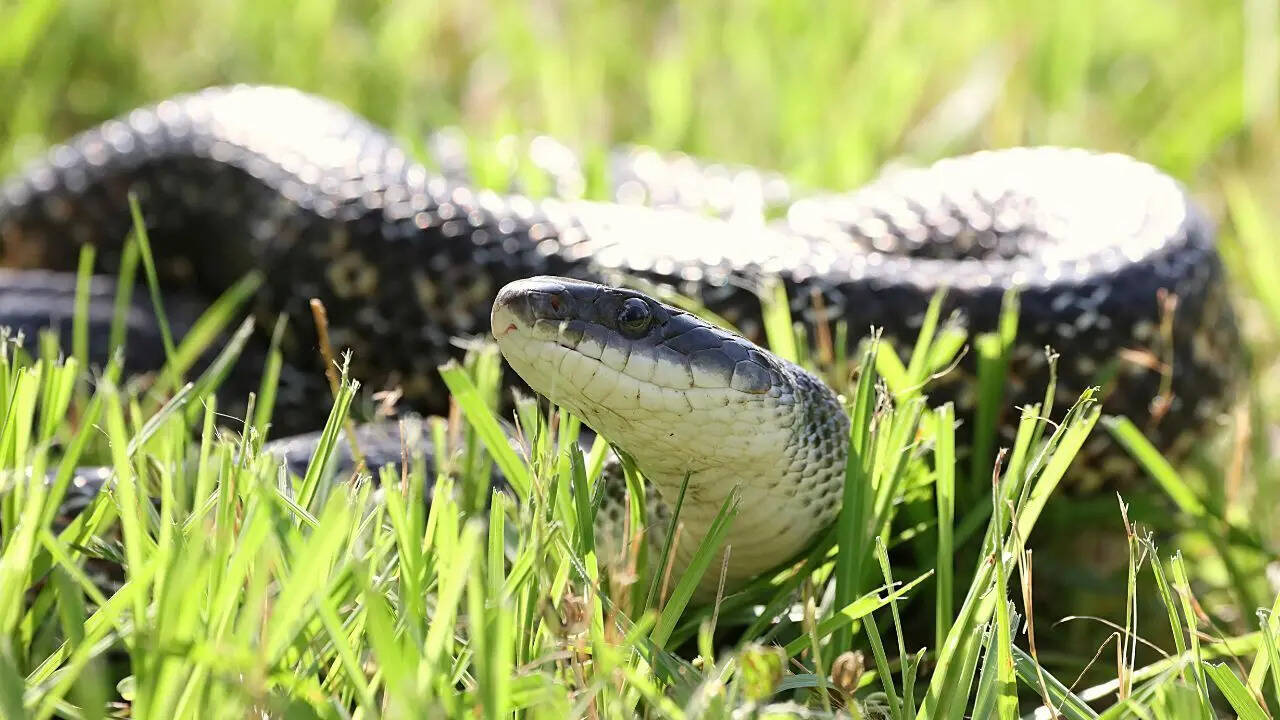
Environmental factors that influence snake presence
Snakes tend to occur where there are appropriate shelters and availability of food sources. Places with the presence of rodents, insects, or small animals could indirectly favor the occurrence of snakes. Openings or debris within structures, as well as untidy areas, would make appropriate hiding places for snakes.The occurrence of snake plants does not influence any of these environmental conditions. There is no way that the existence of snake plants increases prey sources for snakes.Indoor environments and snake plant placementIndoor environments where snake plants are commonly placed are typically enclosed spaces. Entry points for snakes are limited to structural openings such as doors, vents, or cracks. The presence of a plant inside a room does not function as a factor that influences entry.Snake activity indoors is associated with access routes and environmental conditions outside the plant itself. The plant does not emit attractants or create pathways that encourage entry.
Outdoor snake plant environments
Snake plants, when planted out in the open, contribute to the ecology at a much larger level. Within the ecology, the existence of snakes is dependent on several things, such as climatic conditions, vegetation levels, and the availability of prey.Vegetation levels that are dense or where there is vegetation that is out of control can offer habitat for wildlife. But snake plants do not provide enough structure for the same reason.
Misconceptions linked to plant names
“Snake plant” as a name implies certain characteristics associated with snakes themselves. However, this notion is not based on any scientific information but is a mere misunderstanding due to the name. There are examples of other objects and plants that have names based on their physical appearance.


 Total Users : 10083641
 Views Today : 60