

In Goutam Ghose’s Paar (1984), the director stages a crossing that is as brutal as it is symbolic — a man and a woman wading through a swelling river, herding pigs to survival. Decades later, Ghose finds himself drawn to a different kind of crossing. One that moves between two cities, two archives, and two kinds of memory.
In Kolkata, as Sheriff, he is working to restore fragile colonial-era High Court records. In Chennai, he is trying to salvage his own films, whose negatives are cracking with time.
At Prasad Laboratories in Chennai, the past returns through fragmented reels and sound strips that have outlived the systems meant to protect them. “Earlier, producers knew film negatives were lying in labs, but no one really cared,” Ghose says. The shift from analogue to digital around 2012 only worsened this neglect. Laboratories shut down, climate controls failed, and fragile film stock was left to decay. When Ghose began tracing his own work, he found both damage and possibility.
What was once indifference has turned into a race against time. While films like Paar have already been restored, Antarjali Jatra (1987) is currently underway, and Dokhol (1981) remains a work in progress. Amongst documentaries, the ones on Bismillah Khan (Sange Meel Se Mulaqat, 1989) and Satyajit Ray (Ray, 1999) have been restored. For now, the effort has been guided as much by survival as by sentiment. Films that could be retrieved in workable condition have taken precedence. Many of these works mark defining moments in Ghose’s career, making their recovery deeply personal.
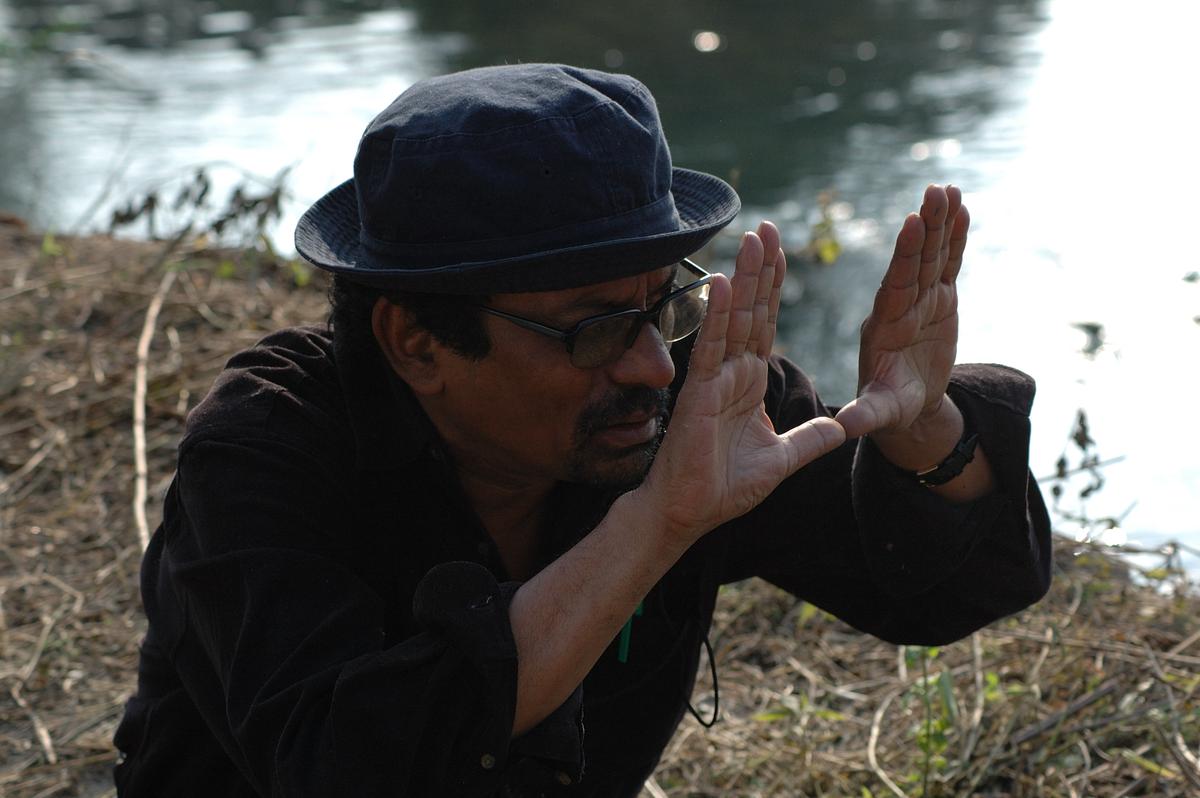
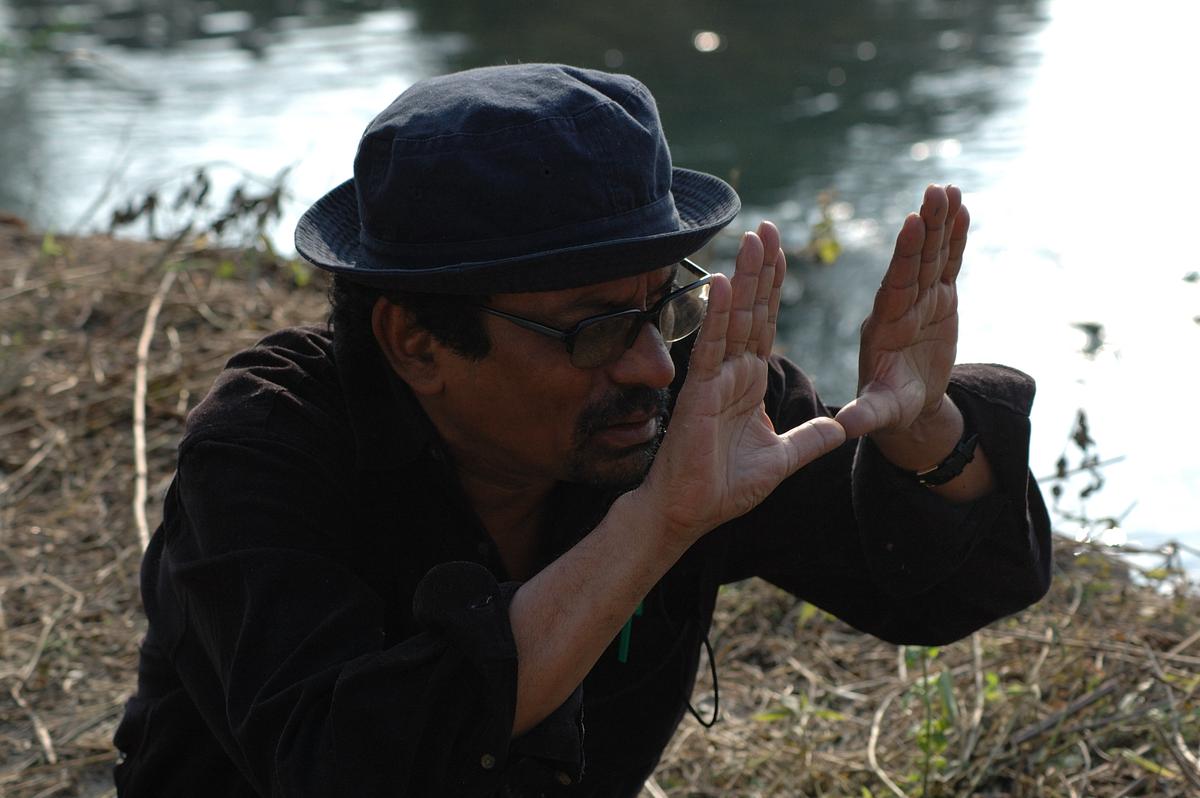
Goutam Ghose
| Photo Credit:
Special Arrangement
What has changed, Ghose notes, is the ecosystem around these films. OTT platforms are rediscovering older works, creating a renewed appetite for restoration. “What is available online is often of very poor quality”.
If Chennai is where Ghose restores his cinematic past, Kolkata is where he confronts a different archive. As Sheriff, an office established in 1776, in the early years of the East India Company, his role is largely honorary, but layered with institutional responsibility. It involves public engagements, and a connection to civic bodies, including spaces like the Presidency Jail. More significantly, it has drawn him into an ongoing effort with the Calcutta High Court to preserve centuries-old legal records.
These documents, over 250 years old, are brittle, fading, and at risk of disappearing altogether. “They contain everything from who was tried, who was punished, what decisions were taken,” Ghose says. Restoring them is not just an archival exercise, but an act of historical recovery. There is, within these papers, the possibility of revisiting familiar narratives and of looking again at moments like the aftermath of the Battle of Plassey, at the shifting structures of power under colonial rule.
The parallels between the two roles are difficult to ignore. In both, Ghose is working against erasure.
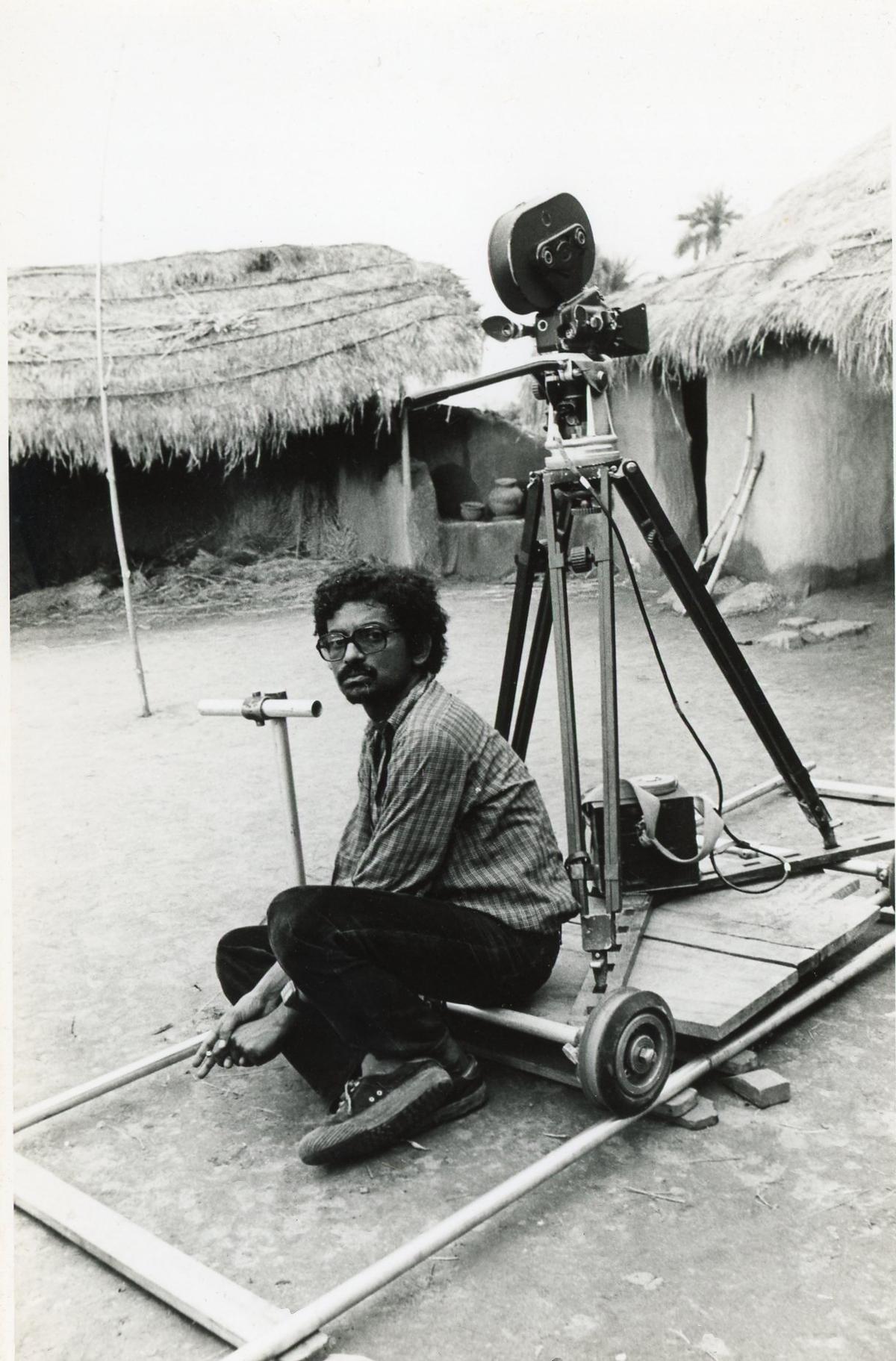
Gautam Ghose
| Photo Credit:
Special Arrangement
Chennai, with its robust film infrastructure, offers a glimpse of what is possible. “When I visited Prasad, I saw a massive restoration unit where so many films are being worked on. That is a very positive sign,” he says. It also sharpens a contrast. The Bengali film industry, he points out, struggles with turnover and distribution. Audience habits have shifted.
For Ghose, restoration is not an exercise in nostalgia. It is a way of ensuring continuity by allowing works, both cinematic and historical, to remain part of public life. There is, however, a deeply personal note beneath it all. “If I can see all my films restored during my lifetime, that would give me immense satisfaction,” he says.

Between Kolkata and Chennai, between court records and celluloid, Ghose’s work circles the same idea that what we inherit is always at risk of being lost. The past, as in Paar, lingers like a swollen river, uncertain, difficult to cross, yet refusing erasure, returning slowly and insistently to the light of moving images.
What you should watch
Mrinal Sen’s ‘Bhuvan Shome’ (1969), ‘Calcutta 71’ (1972), ‘Mrigayaa’ (1976), ‘Kharij’ (1982)
Ritwik Ghatak’s ‘Meghe Dhaka Tara’ (1960), ‘Subarnarekha’ (1962), ‘Titash Ekti Nadir Naam’ (1973)
Tapan Sinha’s ‘Kabuliwala’ (1957), ‘Jhinder Bandi’ (1961), ‘Hatey Bazarey’ (1967), ‘Ek Doctor Ki Maut’ (1990)
Satyajit Ray’s ‘Pather Panchali’ (1955), ‘Charulata’ (1964), ‘Jalsaghar’ (1958)
Published – April 02, 2026 07:01 am IST


 Total Users : 10081600
 Views Today : 927