

[ad_1]
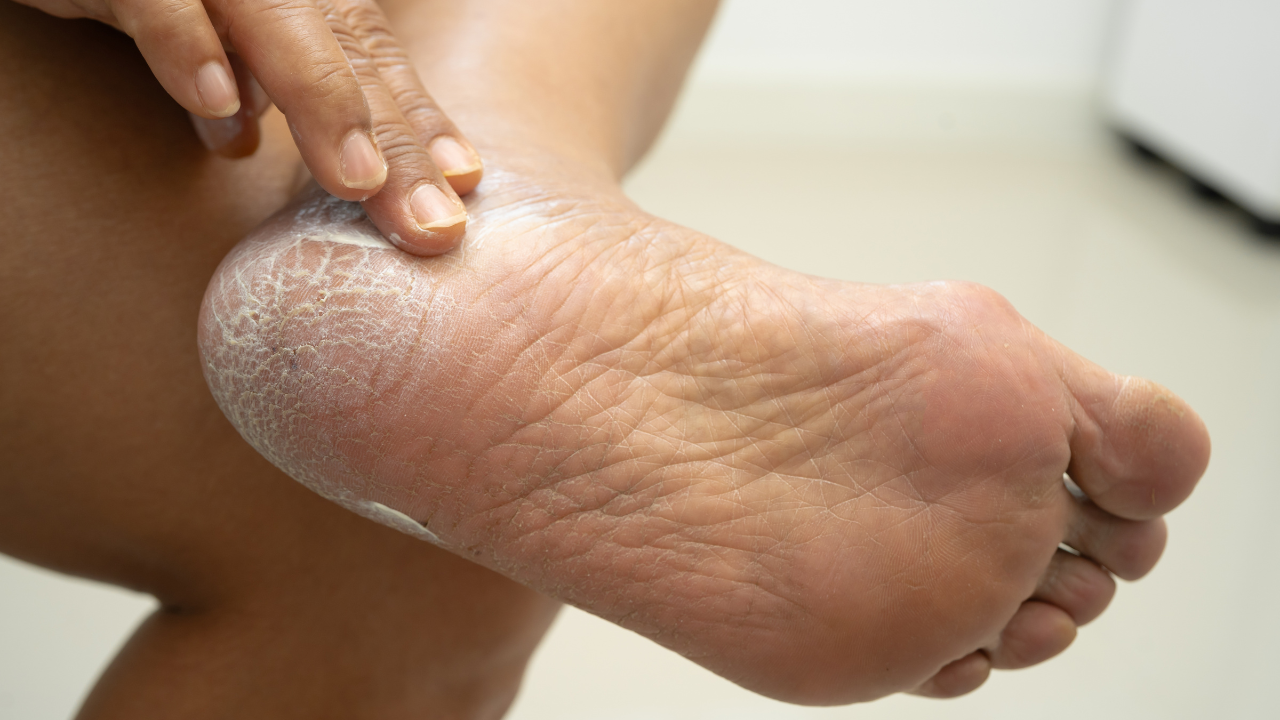
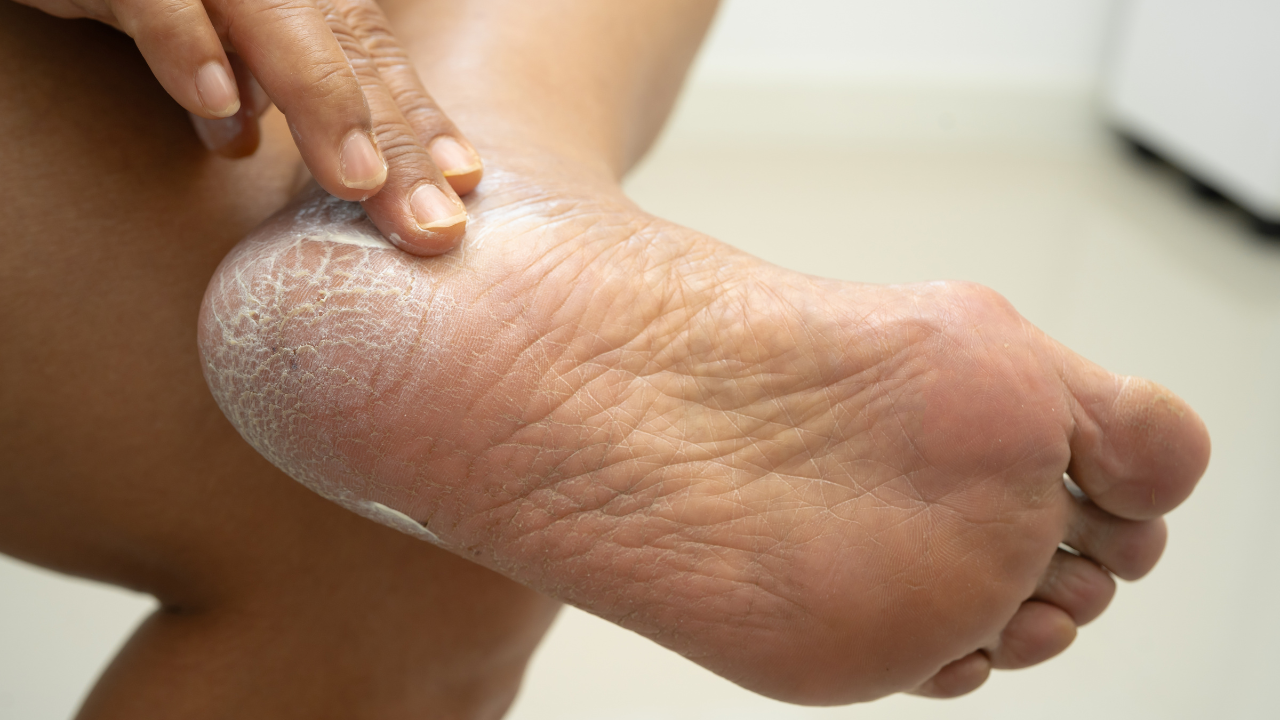
The skin around the heels naturally tends to be thicker than the rest of the body. It handles pressure every single day. Walking, standing, body weight, footwear, and weather all affect it.
But not everybody develops cracks.
One reason lies in how well the skin retains moisture. Some people naturally produce better skin oils and maintain stronger skin barriers. Others lose moisture faster, especially with age. As people grow older, the skin becomes thinner, drier, and less elastic. The heels begin to split under pressure.
Lifestyle also plays a major role.
People who stand for long hours, especially teachers, healthcare workers, factory workers, and retail staff, often put continuous pressure on the heels. Open-back slippers and hard flooring make it worse. Excess body weight can increase stress on the feet, causing the skin to expand sideways until cracks appear.
Dr Kumar explains, “Prolonged dryness, dehydration, standing for long hours, obesity, nutritional deficiencies, or poorly managed diabetes can contribute to heel fissures.”
In simple words, the heels are often responding to daily strain the body can no longer quietly absorb.
[ad_2]
Source link

 Total Users : 10207139
 Views Today : 4178