

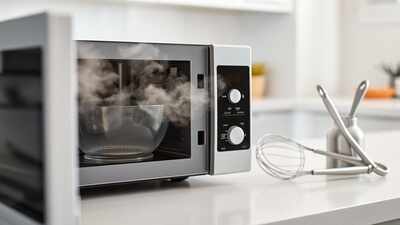
We have all been there before. You finally decide to indulge yourself in home-cooked food when you realise that the pan on which the lasagne was prepared, or oatmeal was cooked, has hardened so much that it might just as well be cement. What was the traditional cure? Soaking overnight or scouring vigorously until your hands and dishes hurt.A group of home cooks and do-it-yourselfers have discovered a low-energy approach to tackling those annoyingly tough food residues in their kitchen cabinets. Place an item in the microwave to generate a localised steam sauna effect, which then softens and removes the crusty residues without using any toxic substances.However, the way in which it operates is quite simple. When we talk about microwaves, we automatically picture them as heating machines. However, it is the exact science of creating steam that makes all of this possible.If the process starts with putting a bowl of water on a stove, allowing it to heat up until it is at a rolling boil, the steam generated by this action will be able to seep into the cracks of food debris that have accumulated in small spaces. This hydration of the food debris results in quick cleanup.Why steam is superior to soaking when it comes to hydration?Though soaking a pan in a large basin of water may seem like the right way to do things, science does not agree.According to the research article Modification of black soybean (Glycine max(L.)merr.) residue insoluble dietary fiber with ultrasonic, microwave, high temperature and high-pressure, and extrusion, published in the journal Food Chemistry, the combination of heat and moisture actively disrupts the structural integrity of tough food residues. While cold water just sits on the surface, the high-pressure environment created by steam expands the residue’s structure, breaking the molecular bonds that hold the food to your containers.This is particularly useful for scorched residues that have undergone a chemical change during cooking. Insights from the study Vacuum-steam pulsed blanching (VSPB) softens texture and enhances drying rate of carrot by altering cellular structure, pectin polysaccharides and water state, found in the journal Innovative Food Science & Emerging Technologies, explain that steam treatments effectively soften textures by altering the water state within the food cells.From a cleaning perspective, the use of a steam system supported by a microwave ensures that those stubborn particles remain wet while you are working on them, preventing them from drying up again.Utilising this process through microwaves actually undoes the dehydration caused by your previous overcooking efforts. This is not only efficient but also incredibly easy. You can easily undo the damage done to your equipment without damaging the surfaces further with aggressive scrubbing methods.
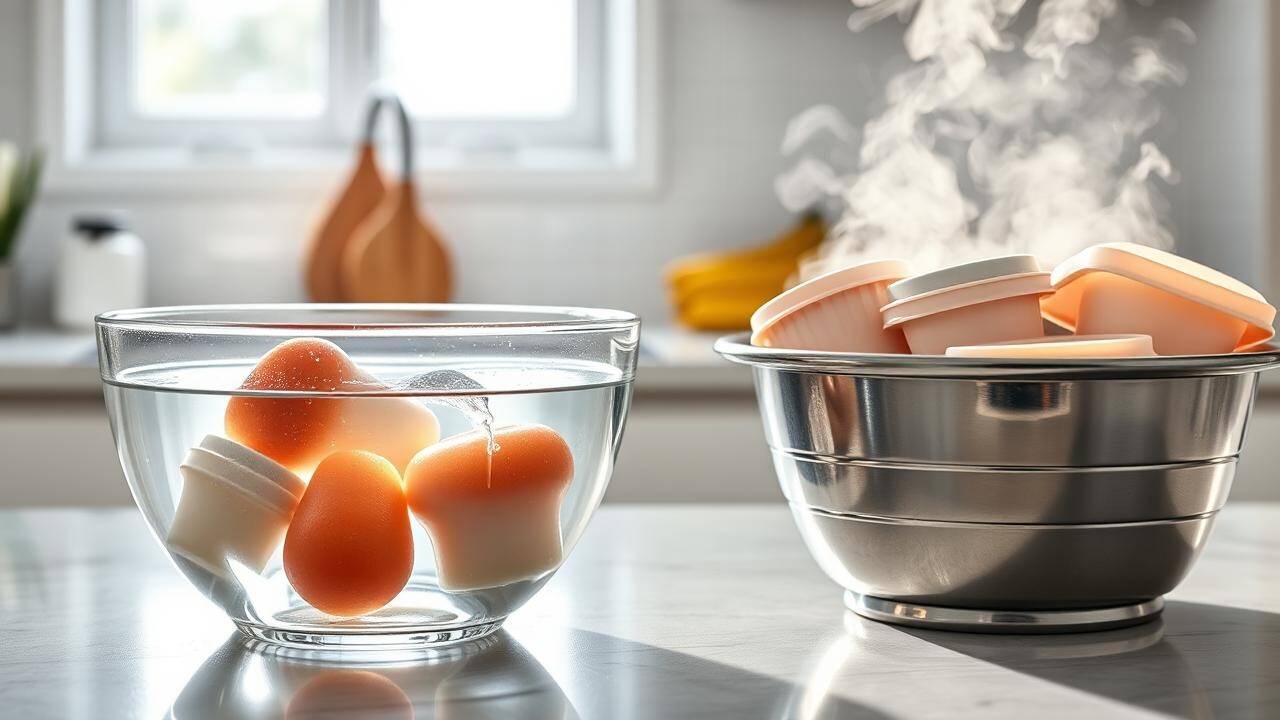
This method protects your cookware, conserves water, and is far more effective than traditional soaking or scrubbing, ensuring your pots and pans stay pristine.
Conserving your cookware while being environmentally friendlyNot only does this process prevent damage to yourself, but it also protects the equipment that you use. The metal scrapers or abrasive brushes used on nonstick cookware, for example, end up scratching the surface slightly each time they’re used, causing food to adhere even more effectively the next time around.This is illustrated by research done in the Food Science and Technology Research Journal on the Combined Effect of Microwave and Steam Cooking on Phytochemical Compounds and Antioxidant Activity of Purple Sweet Potatoes. In simple terms, it means that steaming ensures the maintenance of delicate layers, not like aggressive scrubbing that damages cookware coatings.Furthermore, this method can be considered environmentally friendly. Most commercial “powerful” cleaning products use harmful volatile organic compounds and may even leave traces of chemicals on surfaces that are supposed to be used for food preparation.By switching to a steam-based routine, you are using nothing but pure water. This approach is further validated by the study Characterization of industrial açaí pulp residues and valorization by microwave-assisted extraction, published in Chemical Engineering and Processing – Process Intensification, which highlights the efficiency of using microwave energy to break down organic residues safely and effectively.In order to make sure you get the best steam hack possible, begin by placing around half a cup of water into a microwave-safe dish. Place this near the uncleaned dish and turn the microwave on high heat for a period between three and five minutes. Once the timer runs out, leave the door shut for an extra minute.Once you get to that point, those tough pieces will soften into a cleanable paste. Leaving the work to steam makes life easier since you’ll be spending less time scrubbing and more time enjoying your house, all while maintaining the shine of your pots and pans.


 Total Users : 10084050
 Views Today : 1347