

[ad_1]
The Oscars are upon us. At a time when we are bemoaning the death of cinema and theatres, this has been an electrifying year for the movies. The race feels unusually alive, led by two prizefighters that are bonafide milestones: the satirical thriller One Battle After Another and the horror masterwork Sinners. It is rare to find two breathtaking classics — two proper all-time great movies — arriving at once, each defiantly reshaping our expectations of the big-screen film.
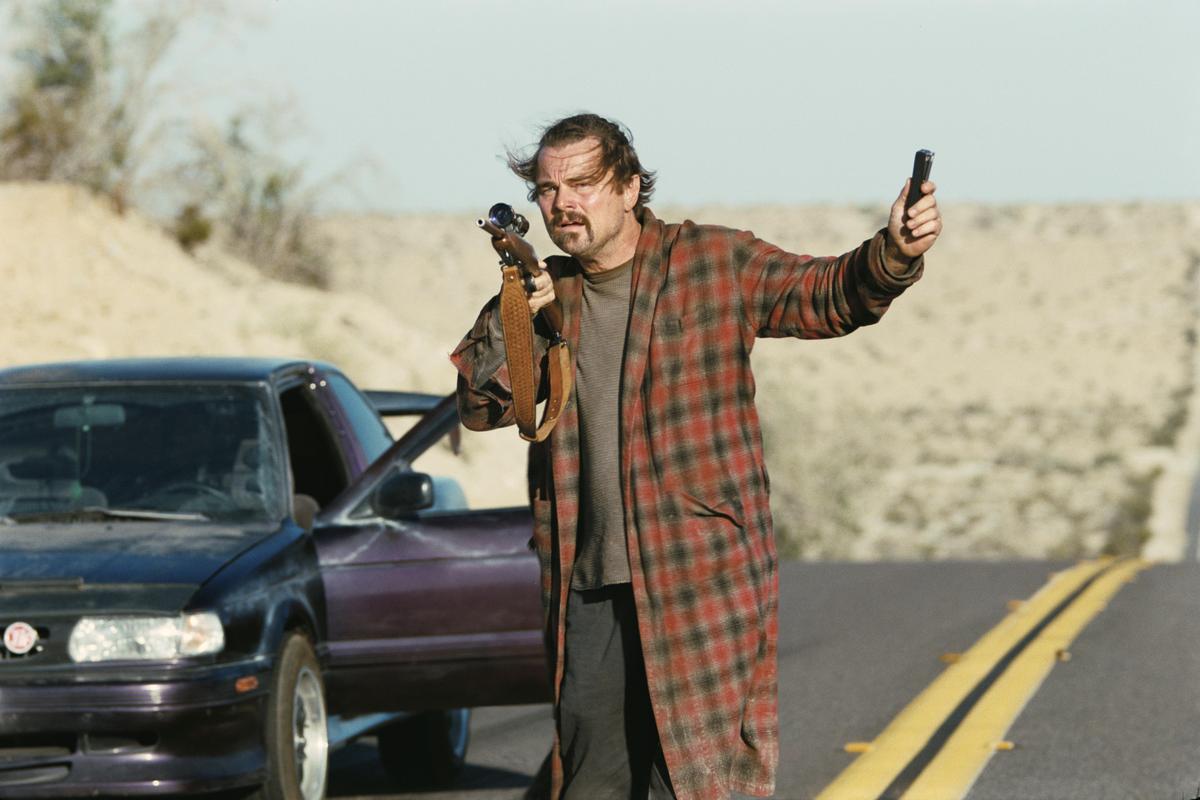
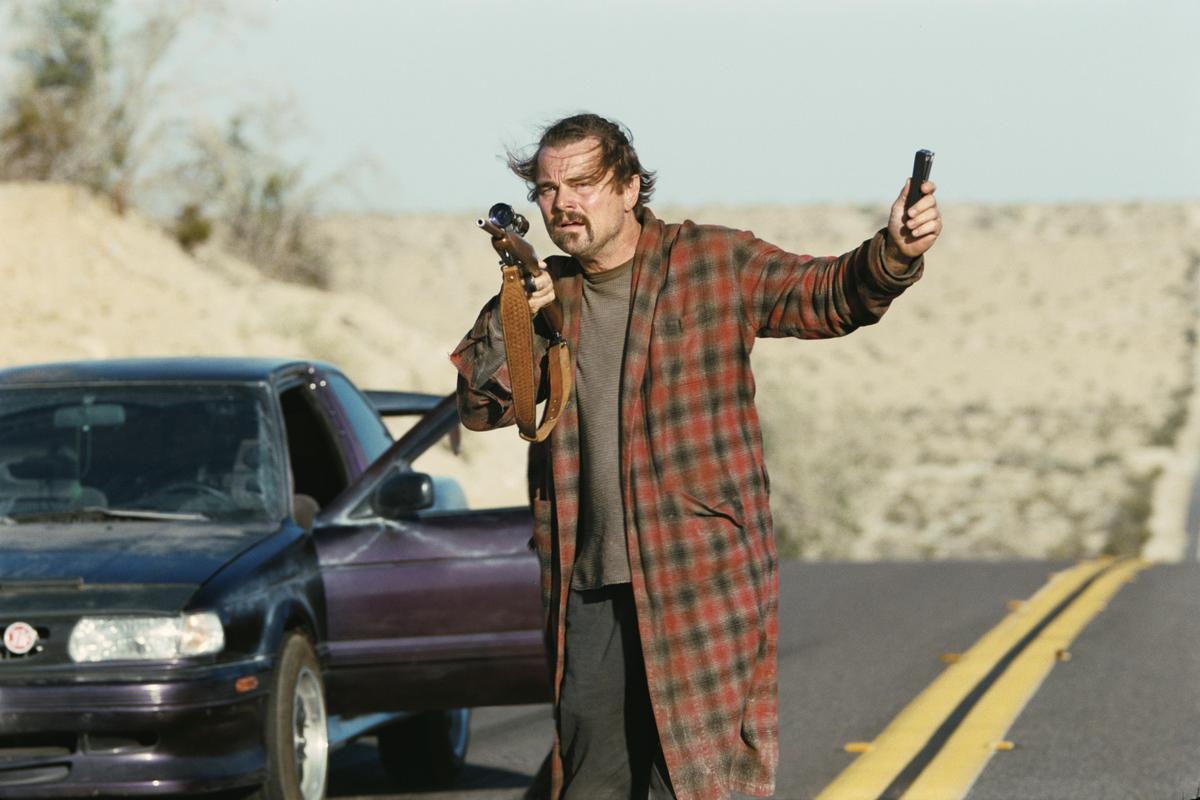
Leonardo DiCaprio in a scene from One Battle After Another
Ryan Coogler’s Sinners is loud, mythic and entirely uninterested in modesty. It throws images at us with the giddy confidence of a director who knows how vast his canvas can be.
Where Sinners is thunder, Paul Thomas Anderson’s One Battle After Another is a symphony. The performances are more fiery, the direction more sensational, the cinematography jaw-dropping, and the music discordant, staying with you as you leave the theatre and doomscroll through bleak headlines. Coogler’s blockbuster may leave a greater imprint on the culture, but One Battle features a maestro at his very peak. It deserves it all.
Will one of these visionary films hand Warner Bros. one final Best Picture trophy, before the studio folds into Paramount’s corporate machinery in a few months? The narrative is classic and romantic: a grand old studio, curtain falling, trophy in hand. A last toast before the lights go out. Before the vampires take over.

Ranging from silly to the strange
Best Picture is a crowded table, and all the movies don’t quite belong. There is F1, loud and silly and undeniably entertaining, the first Best Picture nominee in over 75 years without nominations for acting, writing or directing. It’s in the mix so that Brad Pitt turns up.
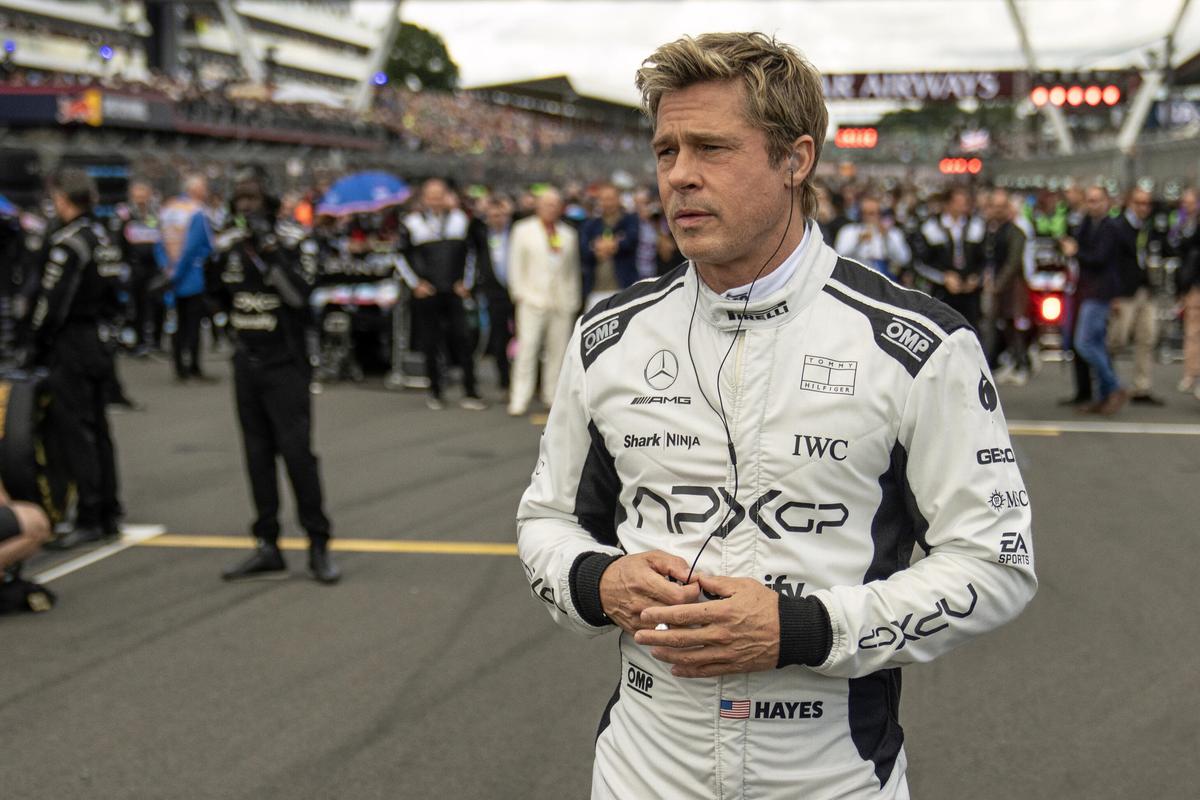
Brad Pitt in a scene from F1 The Movie
Chloé Zhao’s Hamnet repackages Shakespeare to those who may not know enough Shakespeare — but without the self-awareness and soliloquy-love of former Best Picture winner Shakespeare In Love — and it feels like grief-porn wrapped in literary prestige.
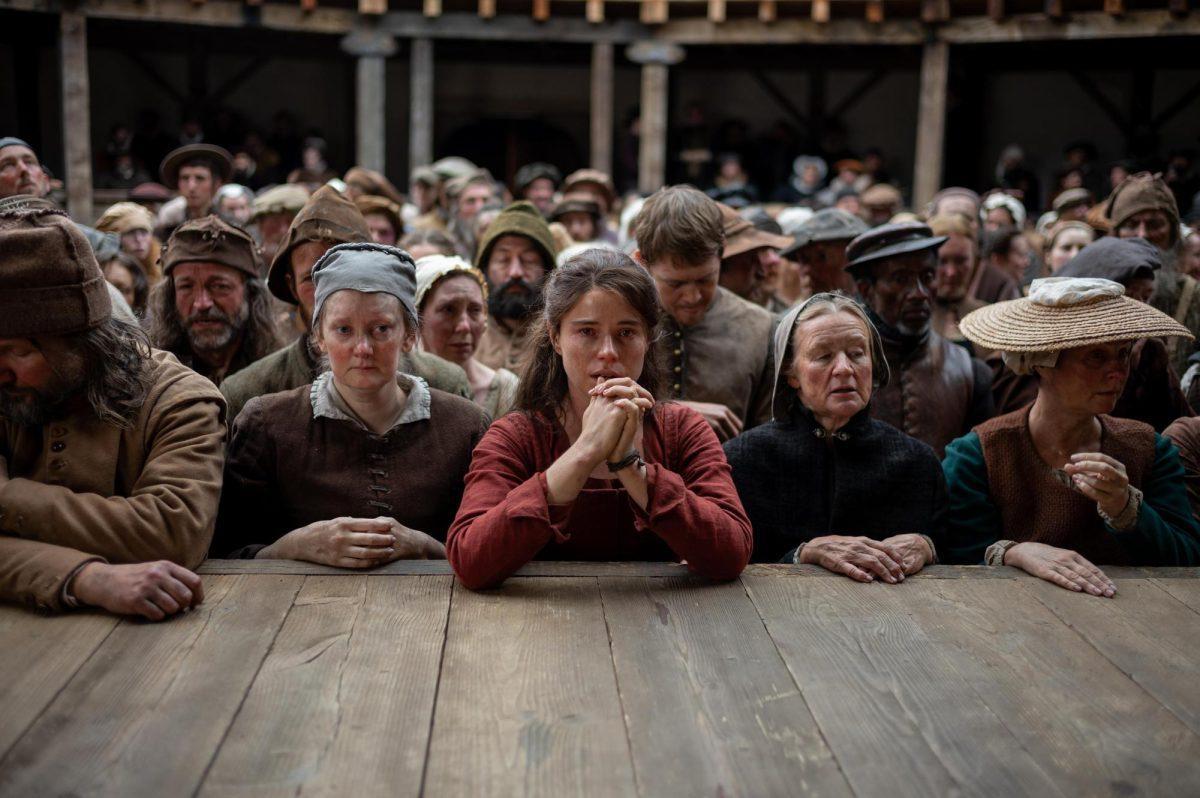
A still from Hamnet
Then there’s Marty Supreme, that swaggering ping pong saga with a name like a Scorsese biopic, featuring Timothée Chalamet, who continues his campaign to become the most gifted and most insufferable young actor alive. Joachim Trier’s Sentimental Value contains remarkably delicate performances, though the film ties its emotional threads together so neatly that it doesn’t ultimately satisfy.
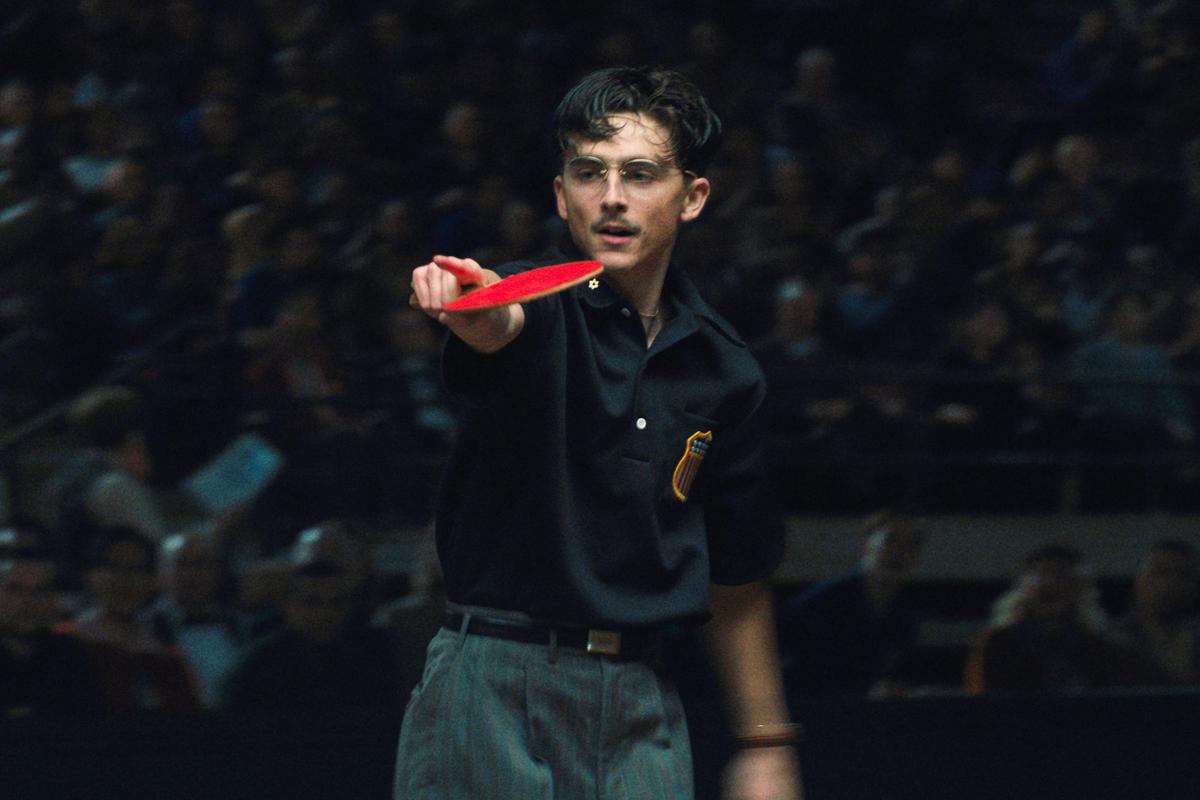
Timothée Chalamet in Marty Supreme
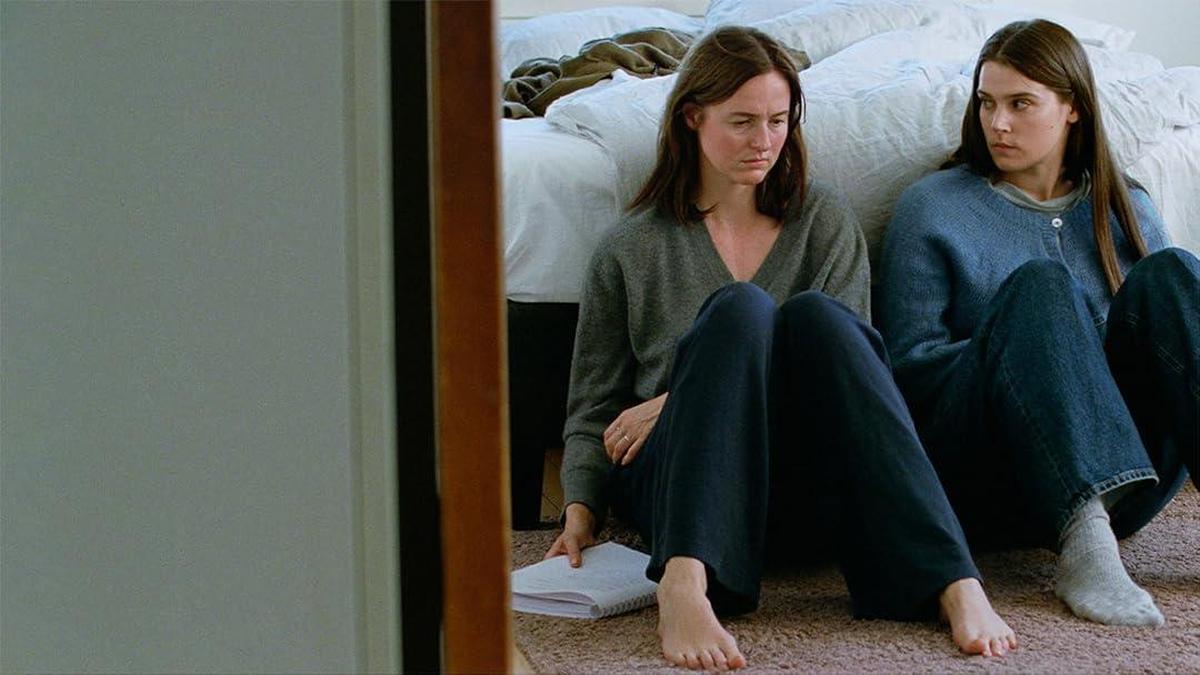
A still from Sentimental Value
Guillermo del Toro’s Frankenstein is visually ravishing, a gothic painting that feels disappointingly inert, as if the monster’s pulse never quite arrives. Then there is Train Dreams, the widely acclaimed drama by Clint Bentley that everyone insists is wonderful and nobody (including me, at the time of writing this piece) seems to have watched.
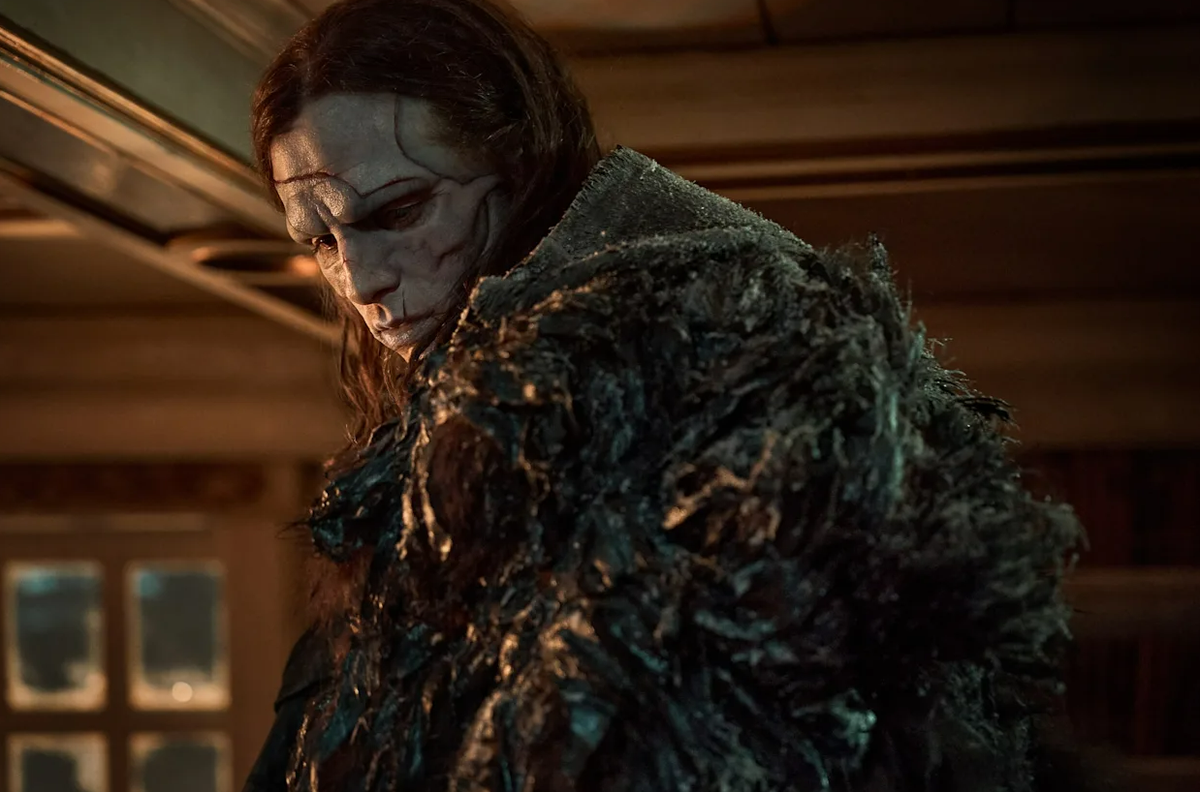
Frankenstein
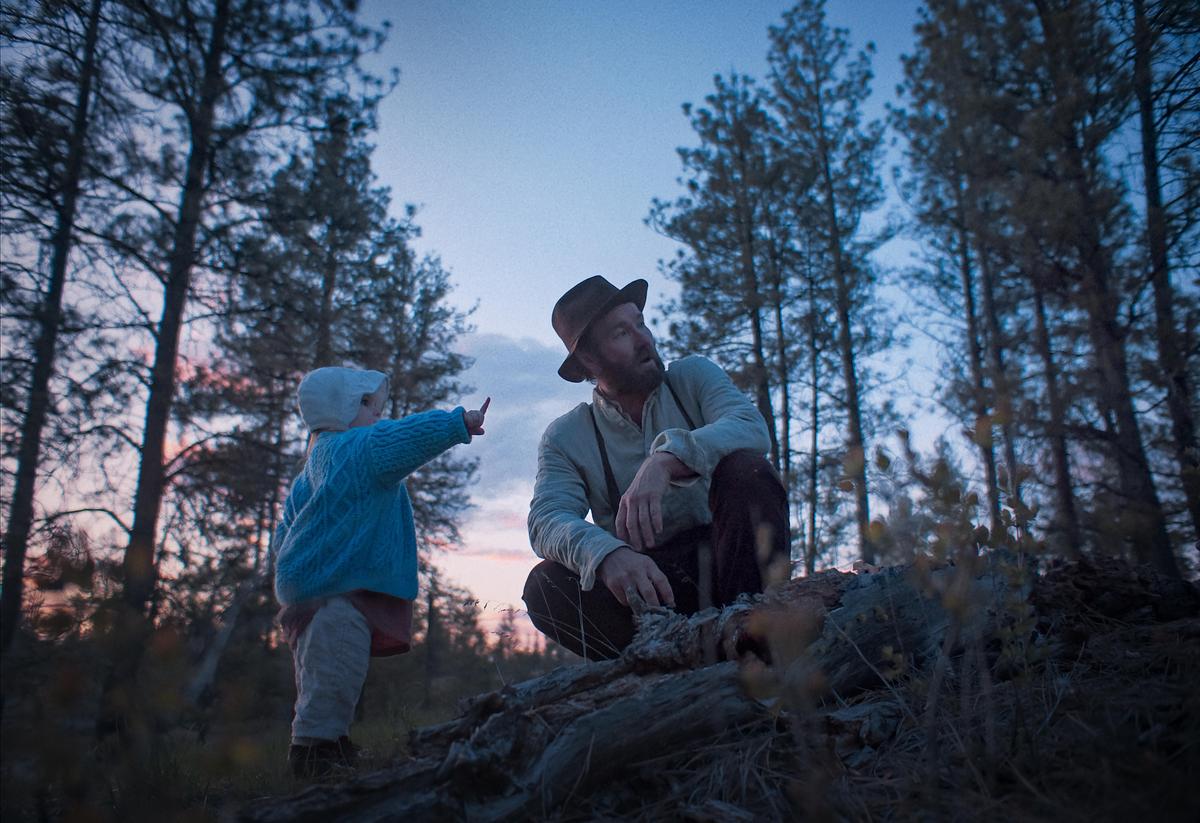
A still from the period drama Train Dreams
Kleber Mendonça Filho’s The Secret Agent, however, is a tremendous film, elevated by Brazilian actor-director Wagner Moura delivering a scintillating performance in the lead role, one for the ages. And finally, we have Yorgos Lanthimos’s Bugonia, the coolest film in the lineup. Strange, biting, and eerily perfect for an era when it feels the world might collapse before lunchtime.
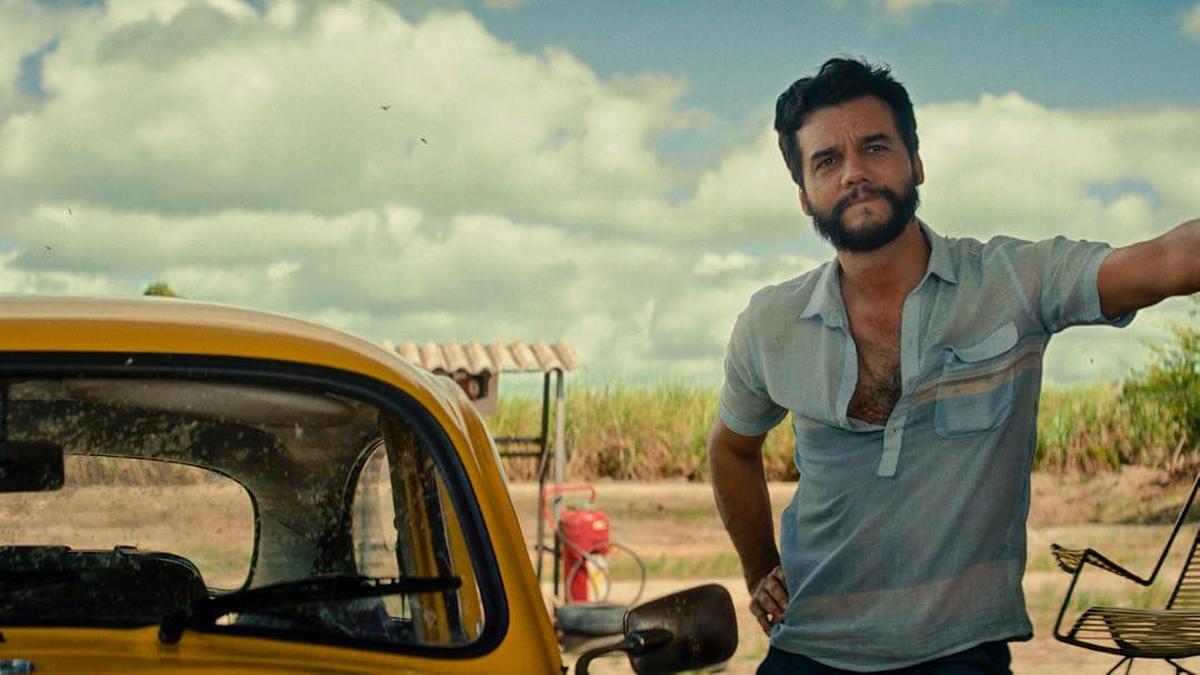
The Secret Agent
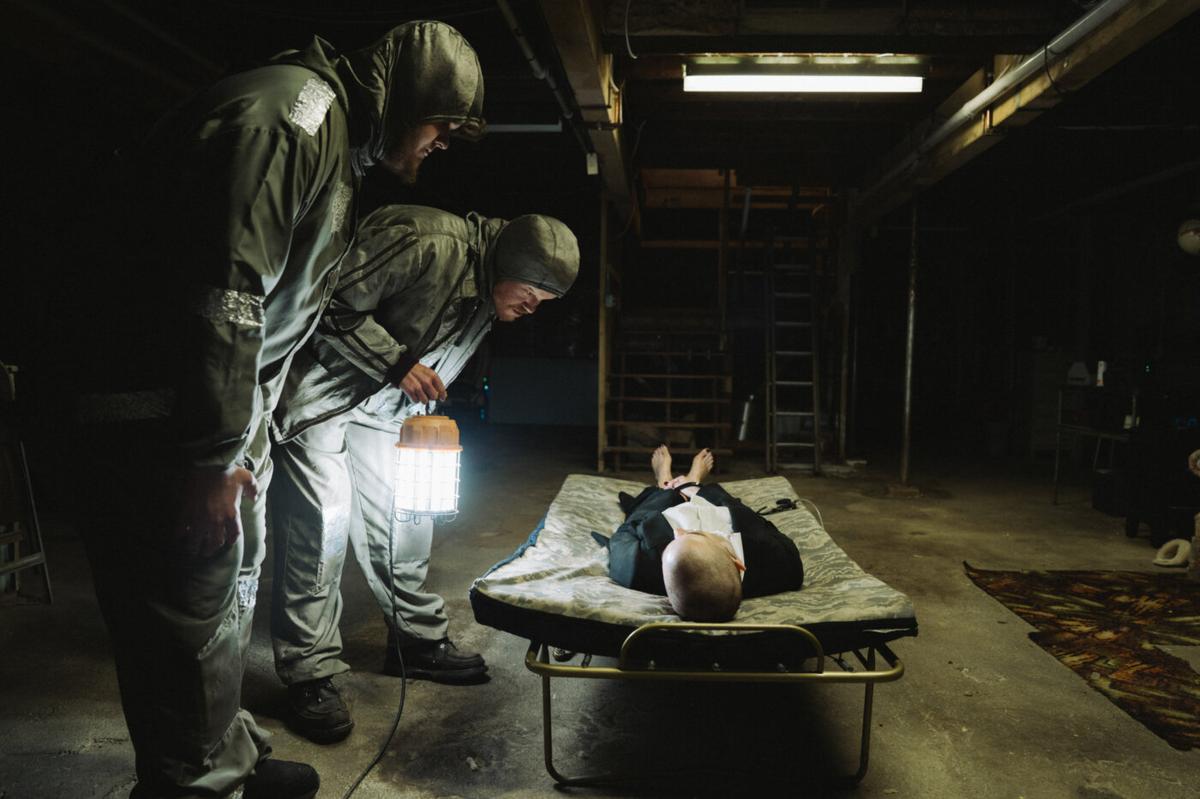
A still from Yorgos Lanthimos’s Bugonia

The ones who deserve it
Ethan Hawke is magic in the biographical comedy-drama Blue Moon. He is unlikely to win Best Actor for his work in the gorgeous and underrated film, though I do hope filmmaker Richard Linklater steals a Screenplay award away from the big two.
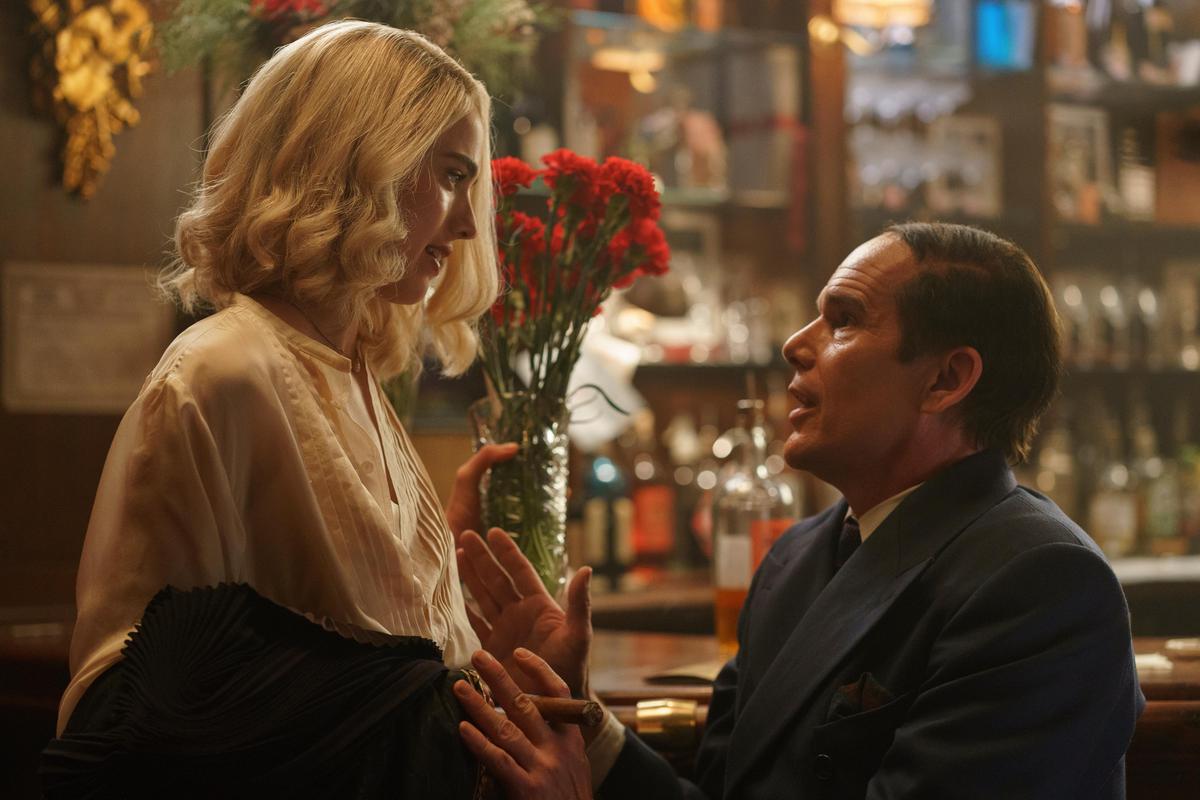
Margaret Qualley and Ethan Hawke in a scene from Blue Moon
| Photo Credit:
Sabrina Lantos
My pick for Actress would be Emma Stone who storms fearlessly through Bugonia as a ruthless tech billionaire from another planet. She is unlikely to win another Best Actress prize though, since she has two already and one more would (deservedly) catapult her into conversations usually reserved for Meryl Streep and Katherine Hepburn.
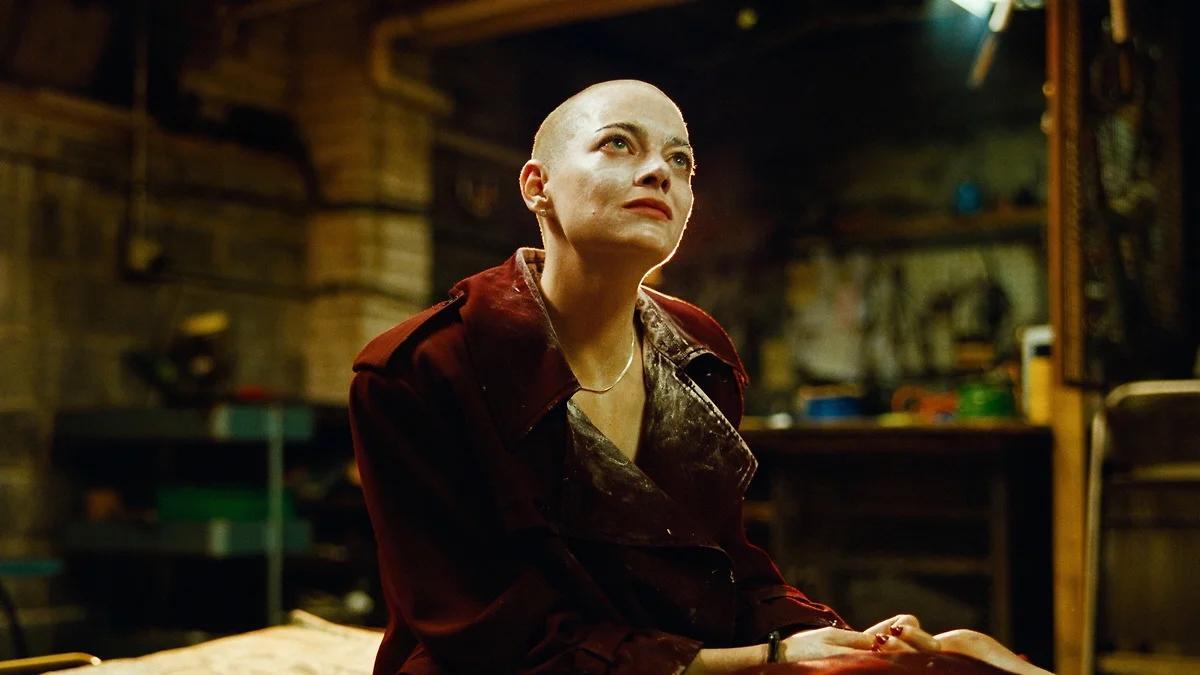
Emma Stone in Bugonia

Let us end, finally, with the best film that didn’t get invited. Park Chan Wook’s No Other Choice is a firecracker of a movie about unemployment, desperation, and the erasure of human worth in the age of automation and Artificial Intelligence. It is a film about empathy at a time when we don’t have enough to spare.
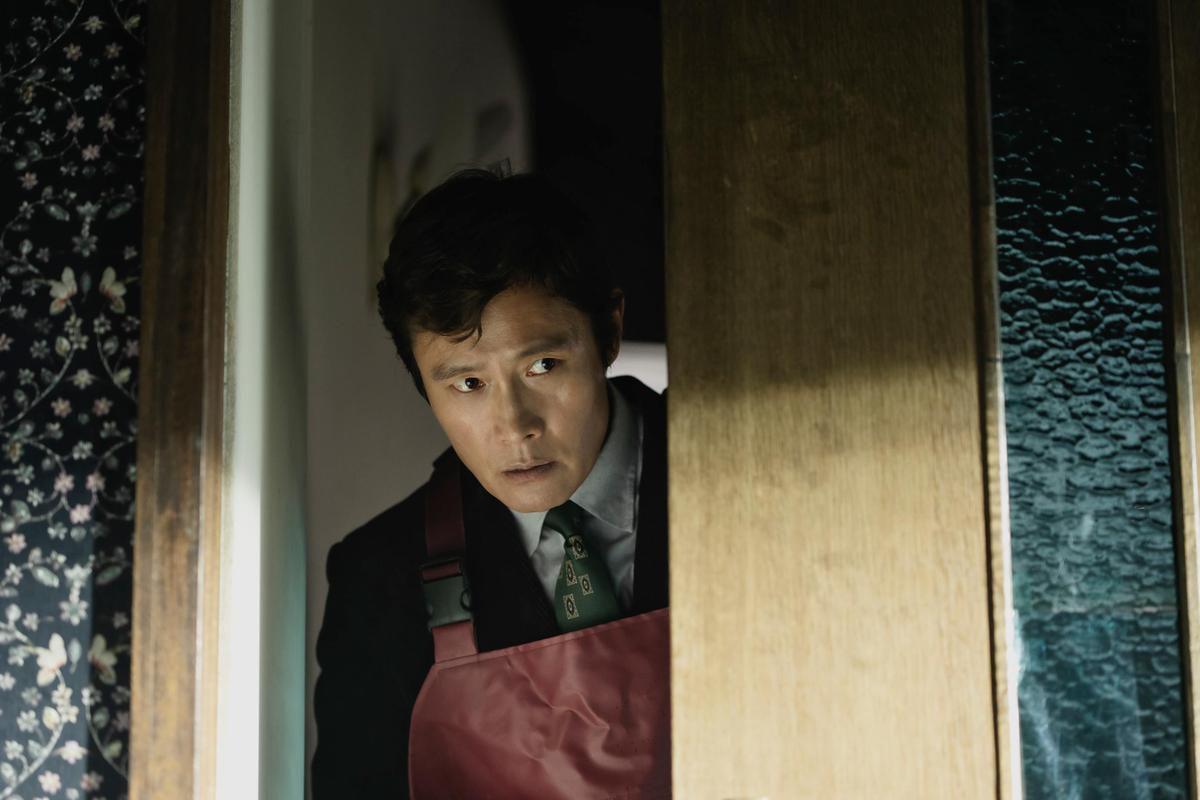
Lee Byung-hun in a scene from No Other Choice
It is original and uncomfortable and eye-opening. No wonder the Academy wants us to look away.
The 98th Academy Awards will air on March 16 at 4.30 am IST.
The writer is a screenwriter, critic and columnist.
Published – March 12, 2026 11:58 am IST
[ad_2]
Source link

 Total Users : 10225147
 Views Today : 1390