

[ad_1]
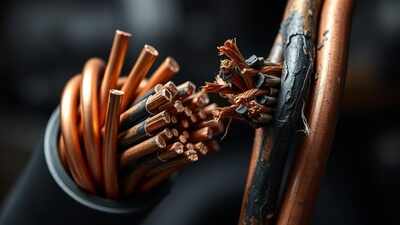
The purchase of an electric car is a future-oriented act, but the act of plugging in each day brings us back down to earth. In our efforts to get more bars and higher charging speeds, the persistent cable that lies dormant in our garage floor is struggling with some laws of nature. While these cables are engineered to be resilient, they’re not indestructible. The slightest tug, bend, or kink could spell disaster for the components inside.While it may be convenient to think of EV charger cords as mere rubber hoses, the reality is much more complicated since the construction requires a series of copper wires, textile insulators, and special polymers. They are flexible enough, which becomes the source of danger in using them. While they look like regular garden hoses, one must not forget about the high voltage that needs to be delivered to ensure the proper functioning of your electric vehicle. The realisation of the strain that occurs from frequent bending is step one towards avoiding unnecessary expenses.Fatigue effect in the case of copper wireThere are no external signs of damage here because the main problem is the internal fatigue. The bending action causes tension within different layers of insulation and other materials. According to a study published in Polymers, the cables are subjected to both normal and torsion stresses. As the cable becomes tightly bent or pulled, its inner polymer sheaths become damaged before the copper wires themselves.This experiment reveals an odd and troubling phenomenon. With each bend, the internal fibres of the wire break apart, and the electrical resistance changes. Initially, there may be a decrease in resistance because the wires are compressed; however, as the wire becomes more damaged, the electrical resistance will either increase or behave unpredictably because the electric current is being obstructed internally. In most cases, internal damage will appear much earlier than any external tears on the rubber surface of the cable. When cracks form externally, there might be microscopic fractures internally.
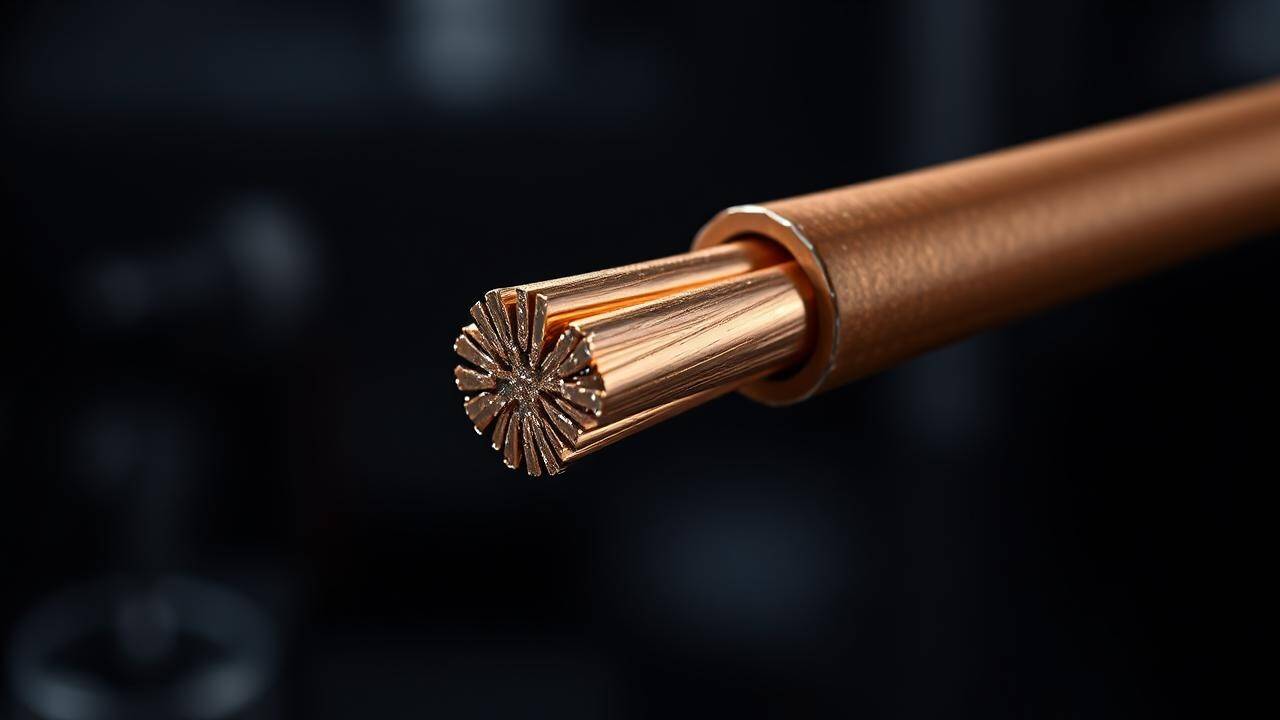
Proper storage with large loops and using cable holders at connection points can significantly extend cable life, preventing costly repairs and ensuring reliable charging.
Yet another important point is related to the study Fatigue damage mechanisms in steel cable under bending loading. While the material under examination in that case is steel, the underlying principles apply equally well to the copper wires used in the EV charging cable. It is not the contact between wires but fatigue due to repetitive flexing that causes failure. In this case, the fracture of a single thin wire results in an abrupt increase in stress, causing the next one to break as well.Good practices to extend the life of your EV charging cableThere is no need for any specialised equipment to ensure the durability of your purchase; you just have to be mindful when storing the cord. A common pitfall is looping the cable too tightly, which might create a nice-looking coil but will subject the copper wires to plastic deformation. This structural modification renders the cable brittle. Therefore, using large, slack loops is recommended.Connection points represent yet another significant hazard. A heavy power cord suspended from a wall-mounted charger forms an acute angle in a “V” shape at the connection point, putting pressure on the inner cable insulation with a lot of force. A solution could be as simple as using a cable holder or even a hook to distribute weight evenly on the cable’s loop. The objective is to reduce rate-sensitive stress damage, which means that cables wear out faster with frequent and severe bending.Regular checks are also very important. From time to time, run your hands down the cable to check for warm areas or any abnormalities. In case there are sections of the cord that get hotter while charging, it is likely that wires inside are broken, which causes the others to carry more electricity, therefore getting heated. Being conscious of these mechanical strains, as well as being careful about the cord getting into its coil form, will allow you to keep it modern and reliable like the vehicle itself.
[ad_2]
Source link

 Total Users : 10224725
 Views Today : 71