

[ad_1]
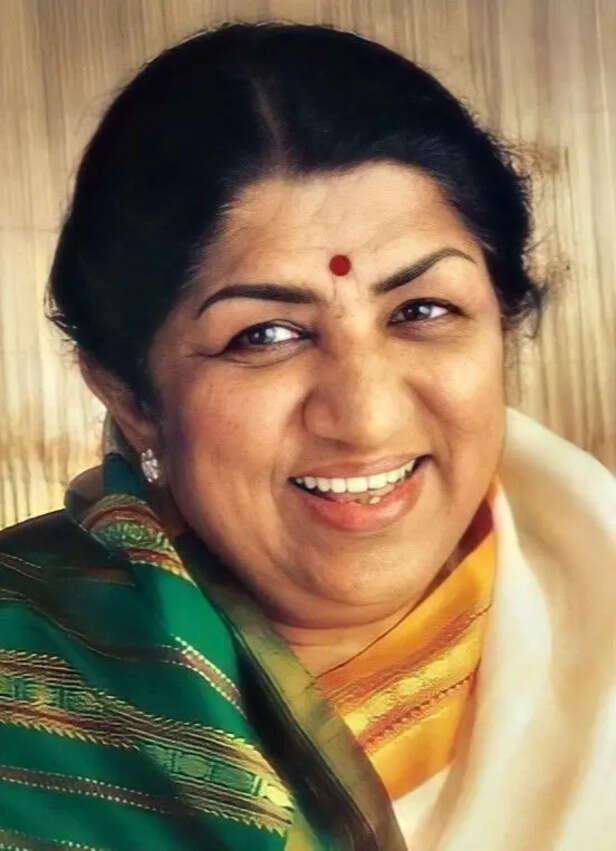
Image credit : Pinterest | Maybe belonging isn’t about blending in with the loudest version of your generation
The pressure of Gen Z stereotypes
The assumptions around Gen Z are loud and clear: we’re supposed to love parties, thrive in chaotic crowds, speak in ever-evolving internet slang, and have playlists filled with trending artists. But I don’t check most of those boxes. I don’t enjoy parties; in fact, they drain me. Loud music, packed rooms, constant socializing, it all feels overwhelming rather than exciting. While others find energy in crowds, I find comfort in quiet corners.
When you don’t speak the “Gen Z language”
Then there’s the language. Gen Z lingo evolves at lightning speed, new phrases, abbreviations, and inside jokes popping up every week. I try to keep up, but most of the time, I feel like I’m decoding a completely different dialect. By the time I understand one term, it’s already outdated. It creates this subtle but persistent feeling of being out of sync.
Having a different taste doesn’t make you different
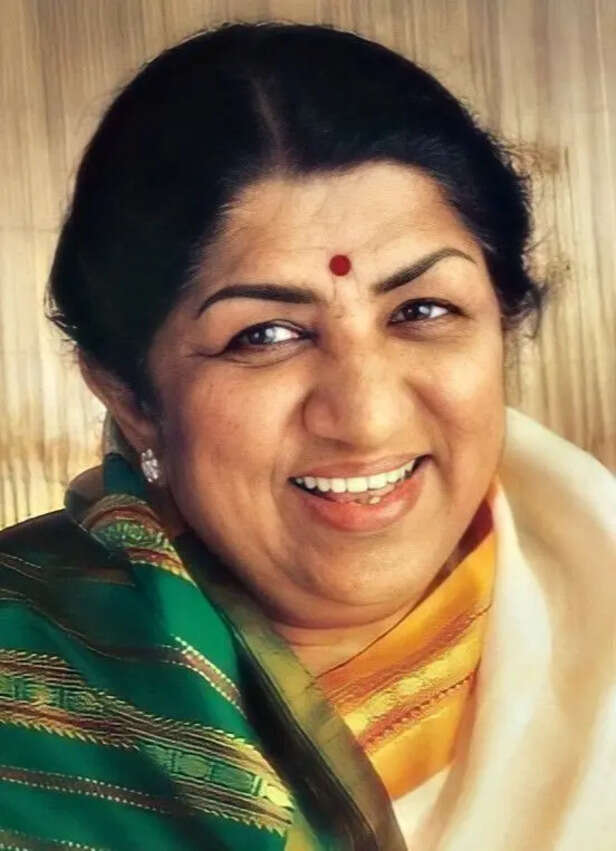
And my music taste? That’s probably the biggest giveaway, at least according to others. While many people my age are tuned into the latest hits, I often find myself going back to 90s rock or the timeless voice of Lata Mangeshkar. There’s something deeply comforting about music that existed before algorithms dictated what we should listen to. It feels more personal, more rooted. But apparently, that also makes me “less Gen Z.”
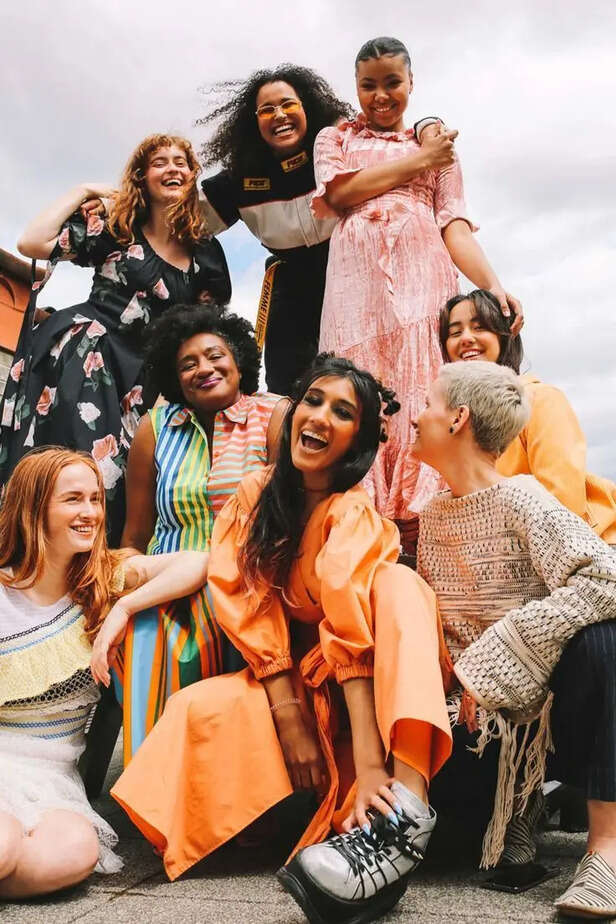
Image credit : Pinterest | Try new things if you want to, but don’t force yourself into spaces
The truth about belonging
Over time, I’ve realized something important: the idea of a “typical Gen Z person” is more of a stereotype than a reality. Generations are not monoliths. They’re broad categories filled with millions of individuals who think, feel, and live differently. Just because certain traits are more visible online doesn’t mean they define everyone.
Social media plays a big role in shaping these perceptions. The loudest voices and most viral trends create a narrow image of what Gen Z is supposed to look like. If you don’t relate to that image, it’s easy to feel like you don’t belong. But the truth is, there are countless others who feel the same way, people who prefer solitude over social scenes, depth over trends, and authenticity over fitting in.
How to stop feeling out of place
That said, feeling out of place is real, and it can get exhausting. So here are a few things that have actually helped me feel more comfortable in my own skin without pretending to be someone I’m not:
Stop comparing yourself to a highlight reel
What you see online is curated. It’s not the full picture of Gen Z, just the loudest version of it.
Find your people, not the crowd
You don’t need to fit in everywhere. Even one or two like-minded people can make a huge difference.
Redefine what “fitting in” means
It doesn’t have to mean blending in perfectly. Sometimes it just means feeling at ease being yourself.
How to truly be yourself in a loud world
Let your differences be your identity. Your love for old music, your dislike for crowds, your quieter personality, these aren’t flaws. They’re you.
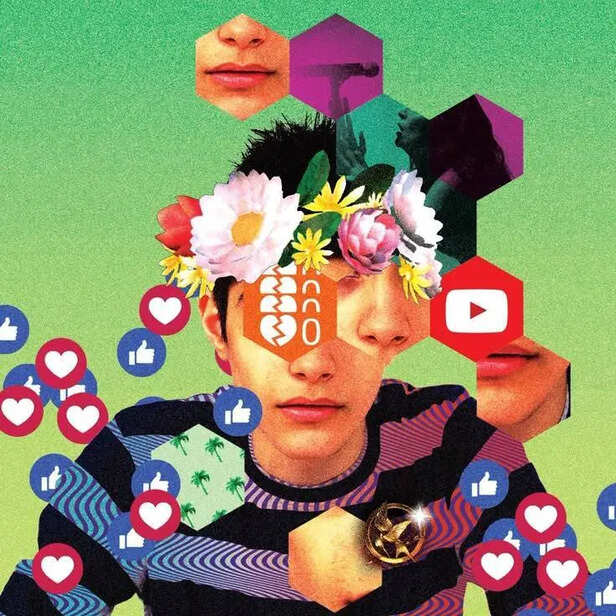
Image credit : Pinterest | Gen Z lingo evolves at lightning speed
Step out of your comfort zone, on your terms
Try new things if you want to, but don’t force yourself into spaces that don’t feel right.
Remember, identity isn’t a checklist
You don’t lose your place in a generation because you don’t match its stereotypes.
Finding your own rhythm
Maybe belonging isn’t about blending in with the loudest version of your generation. Maybe it’s about finding your own rhythm within it. And if that rhythm includes quiet nights, old songs, and a different way of being, that’s still valid. That’s still Gen Z.
[ad_2]
Source link

 Total Users : 10209555
 Views Today : 301